















For parents of toddlers, the phrase “did you wash your hands?” becomes a daily refrain. Teaching personal hygiene is one of the most practical ways to support your child’s development and health. By introducing these routines now, you are helping your little one transition from total dependence to “doing it myself.”
The 5 foundational hygiene habits for toddlers:
- Handwashing: Using soap for a full 20 seconds, specifically before eating and after using the bathroom.
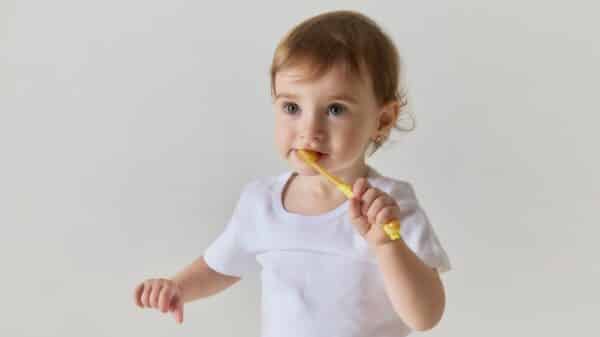
- Dental Care: Brushing twice a day with an appropriate amount of fluoride toothpaste.
- Bathing: Maintaining a schedule of 2–3 times per week, or more as needed based on activity levels.
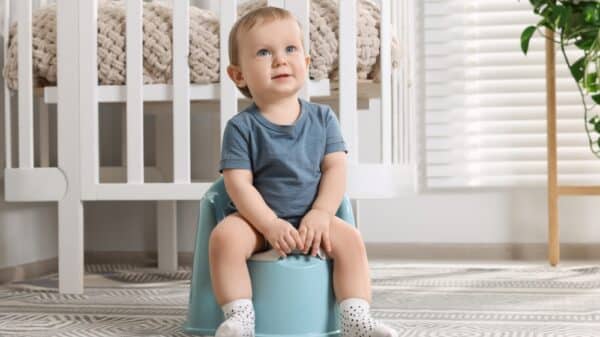
- Potty Hygiene: Learning to wipe from front to back and prioritizing hand hygiene immediately after.
- Grooming: Gentle hair washing once or twice weekly and keeping fingernails trimmed.
These habits provide more than just a clean appearance. Research indicates that consistent handwashing can lower a child’s risk of respiratory infections by up to 23%. Furthermore, children who practice good hygiene early are 30% less likely to miss school days due to illness later on. Since toddlers between the ages of 1 and 5 are naturally driven toward independence, this is the ideal window to turn these tasks into lifelong routines.
The Importance of Teaching Personal Cleanliness During the Toddler Years
Instructing a toddler on body care is about protecting their health and fostering a sense of self-respect. While a two-year-old cannot yet grasp the concept of microscopic germs, they can understand that hygiene is a predictable and positive part of their day. By framing these activities as milestones rather than chores, parents can boost a child’s confidence and motor skills.
Understanding what is age-appropriate is key to avoiding frustration for both parent and child. Here is a breakdown of hygiene milestones by age:
| Age Group | Handwashing Milestones | Dental Care Milestones | Toileting & Bathing Milestones |
|---|---|---|---|
| 1–2 Years | Washes with significant help; enjoys playing with water. | Cooperates while parents brush; begins holding their own brush. | Moves to a standard bathtub; sits independently with constant supervision. |
| 2–3 Years | Uses a step stool; reaches for soap and tries to scrub with help. | Mimics the motions of brushing; starts to learn how to spit out paste. | Shows interest in the potty; begins assisting with wiping under supervision. |
| 3–5 Years | Washes independently for 20 seconds; knows the right times to wash. | Brushes with supervision; uses a pea-sized amount of fluoride toothpaste. | Manages basic front-to-back wiping; assists in washing their own body during baths. |
Turning Daily Hygiene into Fun and Engaging Routines
The most effective way to teach a toddler is through play. If hygiene feels like a game rather than a command, children are far more likely to participate willingly.
Effective Handwashing Techniques to Protect Your Child from Germs
Handwashing serves as the primary defense against common illnesses. Using soap for 20 seconds can eliminate up to 98% of germs. To make this easier for small hands, consider using foam soap, which is often easier to spread and more engaging to play with than liquid soap. Encourage your child to scrub every surface, including the backs of their hands and under their fingernails. Since toddlers have no concept of time, singing a song like the “ABC Song” or “Happy Birthday” twice ensures they scrub for the full 20 seconds.
Mastering Oral Care: Tips for Healthy Toddler Smiles
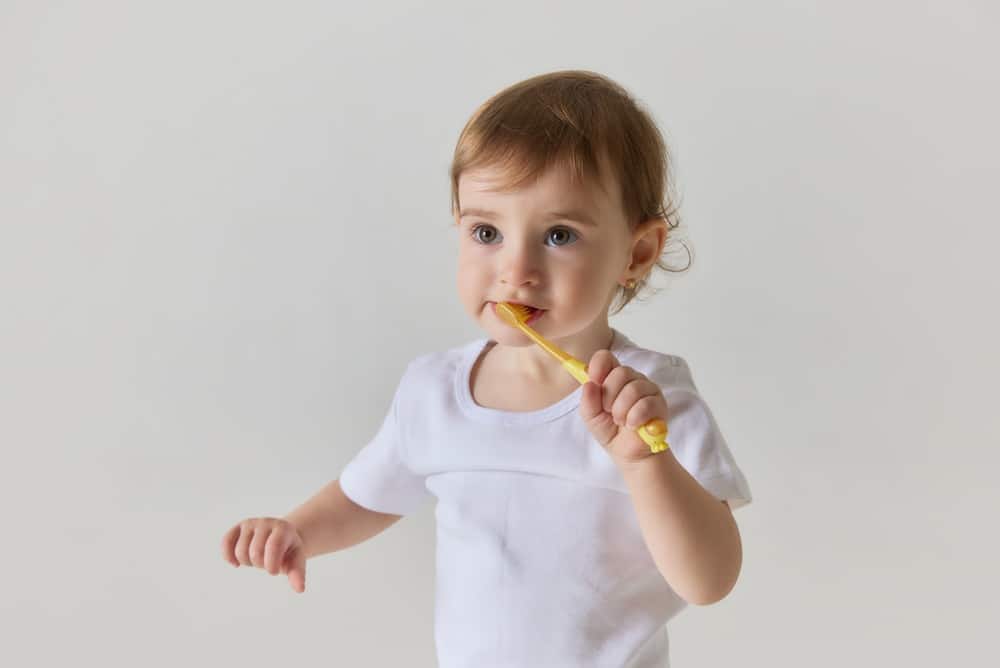
Establishing an oral care routine early is vital, as twice-daily brushing with fluoride toothpaste can reduce childhood tooth decay by 24%. Pediatric experts suggest starting this routine as soon as the first tooth emerges. For children under the age of three, use a tiny smear of fluoride toothpaste roughly the size of a grain of rice. Once they reach age three, you can increase this to a pea-sized amount.
Toddlers are still developing the manual dexterity needed for a thorough clean. A good strategy is to let them “try first” to build their confidence, followed by a parent doing a thorough finishing brush. Using visual aids like sand timers or playing a short song can help keep them engaged for the full two minutes.
Safe Bathing Practices and Skin Care Essentials
Contrary to popular belief, most toddlers do not require a full bath every day. In fact, bathing two or three times a week is generally sufficient to maintain cleanliness without stripping the skin of its natural moisture. On days when a full bath isn’t necessary, a quick “spot clean” of the face, hands, and diaper area with a warm cloth is effective. Hair should be washed once or twice a week with a gentle, tear-free formula to support healthy growth and scalp health.
Proper Toileting Hygiene and Potty Training Basics
Potty training is a major step toward independence, and hygiene is a core component of the process. For girls, the “front to back” wiping rule is essential for preventing urinary tract infections. For boys, cleanliness should be gentle and straightforward. If a child is uncircumcised, it is important to remember that the foreskin should never be forced back, as it will retract naturally over time. Dressing your toddler in clothing with elastic waists can also help them manage bathroom trips more successfully on their own.
Creating an Accessible, Kid-Friendly Bathroom Environment
Toddlers are more likely to practice hygiene when their environment is designed for their size. Most bathrooms are built for adults, making simple tasks like reaching the faucet a challenge for a child.
- Provide a Stable Step Stool: This allows them to reach the sink safely and see themselves in the mirror.
- Lower Towel Hooks: Placing a hand towel at the child’s chest level encourages them to dry their own hands.
- A “Self-Care” Station: Keep a small tray accessible with their toothbrush, a rinsing cup, and a hairbrush.
- Child-Level Mirror: A shatterproof mirror mounted at their eye level helps them monitor their own brushing and face-washing.
Navigating Common Obstacles and Ensuring Bathroom Safety
It is normal for toddlers to experience sensory aversions or periods of resistance. Some may dislike the flavor of toothpaste or the sensation of water on their head. During these times, avoid power struggles and instead use positive reinforcement, such as sticker charts, to reward progress.
Safety is the most critical aspect of the hygiene routine. Children under five should never be left alone in the bathtub, as they can drown in very shallow water. Additionally, ensure your home’s water heater is capped at 120°F to prevent accidental burns.
Quick Tips for Reluctant Toddlers:
- Empower Choice: Let them select their own toothbrush or soap scent.
- The Elbow Sneeze: Teach them to cough into their elbow by calling it a “superhero shield.”
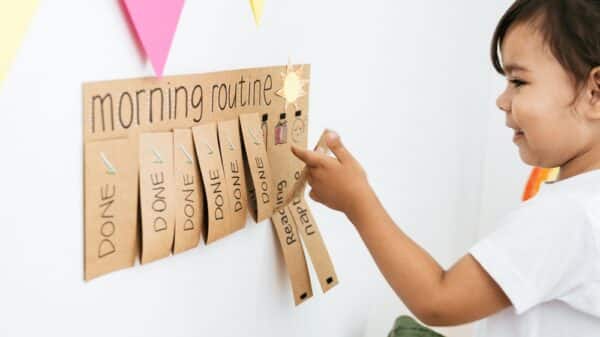
- Visual Schedules: Use picture cards to show the sequence of the morning or evening routine so they know what comes next.
Common Questions Parents Ask About Toddler Hygiene
How many baths does a toddler really need each week?
Most children only need 2 to 3 baths per week. If your child has dry skin or eczema, keeping baths short and using lukewarm water, followed by a moisturizer, is often better than daily bathing.
When will my child be able to brush their teeth independently?
While they can begin practicing around age three, most children do not have the coordination to brush thoroughly on their own until they are 7 or 8 years old. Continued supervision and “touch-up” brushing by a parent are recommended until then.
What is the best way to handle a child who hates hair washing?
Try using a dry washcloth or swim goggles to protect their eyes from water. Giving them a cup to pour water on their own shoulders can also help them feel more in control of the experience.
Final Thoughts on Building Hygiene Habits
Teaching a toddler personal hygiene is a process that requires consistency and patience. While there will be days of resistance or messy mishaps, keeping the environment supportive and the routines fun will eventually turn these tasks into second-nature habits. By prioritizing these small daily actions now, you are setting the stage for your child to grow into a healthy, self-reliant individual. Focus on the progress, celebrate the small wins, and remember that every “I did it!” moment is a step toward lifelong health.