




















Harnessing the power of light is a simple yet revolutionary way to support overall wellness. While often overlooked, the quality and timing of light exposure can significantly influence how we feel, sleep, and heal. Integrating healthy light habits acts as a foundational support, enhancing the benefits of other wellness practices like hydration, nutrition, and stress management.
Understanding how different wavelengths impact the body allows us to use light as a functional tool for health. By prioritizing natural sources and managing our indoor environments, we can unlock improvements in mood, energy, and hormonal balance.
The Transformative Health Benefits of Natural Sunlight
Sunlight is more than just a source of brightness; it is a biological signal. When UV rays meet our skin and eyes, they trigger the production of Vitamin D and support bone health, immune function, and mood regulation. Despite these benefits, modern lifestyles keep most people indoors for the vast majority of the day. Research suggests that many children spend less than ten minutes outside daily, while a significant portion of adults get less than fifteen minutes of natural light.
Reclaiming outdoor time is a vital step toward vitality. Sunlight exposure at various times of the day provides the full spectrum of light our bodies evolved to require, helping to maintain physical and mental resilience.
The Specific Advantages of Morning Light Exposure
The first light of day is particularly beneficial for the human body. Early morning sunlight contains a unique spectrum rich in red light, which helps prime the body for the day ahead. Establishing a morning routine that includes outdoor exposure—even if it is just for a few minutes—can improve energy levels and set a healthy tone for the body’s hormonal cycles.
For those struggling with fatigue or recovery, morning sun can be a non-negotiable tool. It helps reset the system and provides a natural boost that artificial indoor lighting cannot replicate. Simply stepping outside at sunrise can help stabilize your internal systems and improve your overall well-being.
Synchronizing Your Circadian Rhythm and Cortisol Levels
Our bodies operate on a 24-hour internal clock known as the circadian rhythm. This system manages everything from digestion and stress to our sleep-wake cycles. Light is the primary driver of this clock. By viewing natural light at the right times—specifically near dawn and dusk—we help regulate cortisol, our primary stress hormone.
While we often view cortisol as “bad,” it is actually necessary for alertness and energy; the key is ensuring it peaks in the morning and tapers off at night. Improper exposure to blue light in the evening can disrupt this rhythm, leading to sleep issues and elevated stress. Aligning your day with the sun’s natural cycle is one of the most effective ways to balance these hormones.
A Balanced Approach to Sun Exposure and Protection
While protecting the skin from burns and damage is crucial, total avoidance of the sun can be counterproductive to health. A balanced approach involves getting enough sunlight to trigger essential biological processes while using safe, non-toxic sun protection when long-term exposure is necessary. Understanding how to utilize the sun responsibly allows you to reap the benefits of its rays—including improved mood and vitamin production—without compromising the integrity of your skin.
Harnessing the Healing Potential of Red Light Therapy
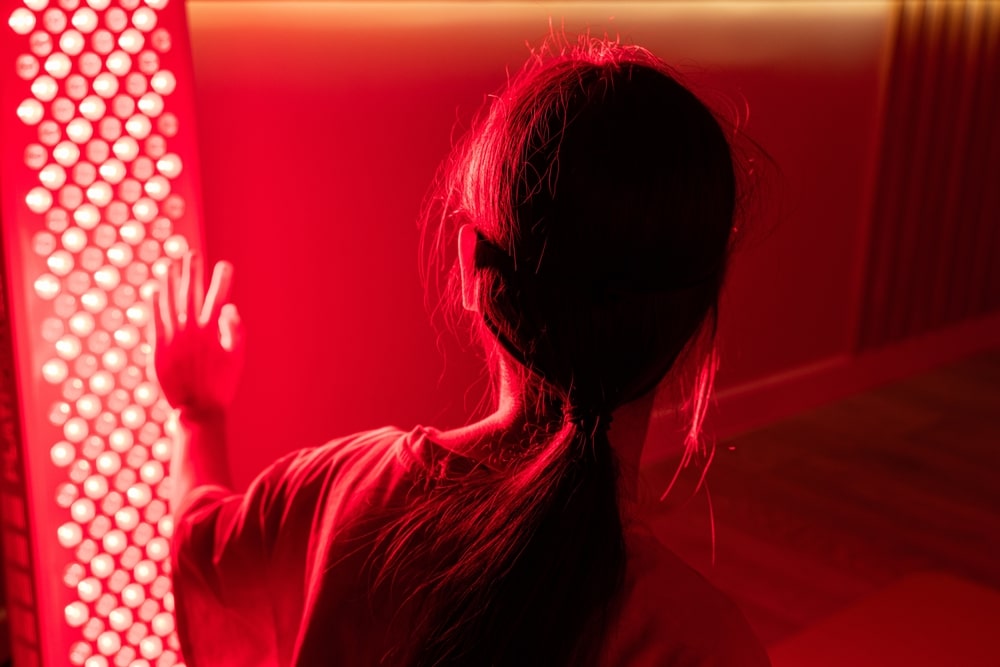
Beyond natural sunlight, red light therapy has emerged as a targeted wellness tool. While the sun provides free red light during the “golden hours” of sunrise and sunset, technology now allows for concentrated therapy through panels, face masks, and even specialized tools for oral health. These devices focus on cellular health and mitochondrial function, offering a convenient way to supplement natural light exposure and support the body’s recovery processes.
Optimizing Your Indoor Lighting for Better Health
The light we use inside our homes is just as impactful as the light we find outside. Conventional LED bulbs often emit a subtle flicker that can stress the nervous system, even if it is not visible to the naked eye. Furthermore, excessive blue light from screens and bright overhead fixtures in the evening tells the brain it is still daytime, which inhibits the production of sleep hormones.
To create a healthier home environment, consider swapping standard bulbs for warmer, flicker-free alternatives and reducing screen use after dark. These small changes in your indoor environment can lead to significant improvements in sleep quality and neurological health.
Deep Dives Into Light Science: Expert Insights
To further explore how light influences human biology, several experts have shared their knowledge on its impact on everything from DNA to metabolic health. These insights provide a roadmap for transforming light from a health disturber into a powerful tool for longevity:
- The relationship between light, healing, and hormonal health with Andy Mant.
- Insights on “junk light,” 5G, and maximizing sunlight for longevity with Dr. Jack Kruse.
- A masterclass on transforming light into a superpower with Roudy Nassif.
- The connection between mitochondria, DNA, and sunshine with Dr. Courtney Hunt.
- Lessons learned on light and health over the years.
- Deconstructing myths about Vitamin D deficiency and the sun with Jim Stephenson.
- The role of light and phospholipids in cellular health with Justine Stenger.
- Understanding the link between light, leptin, and fertility with Sarah Kleiner.
- The 80/20 of health: Balancing light, protein, and nutrition with Dr. Leland Stillman.
- Strategies to drastically improve health through light with Matt Maruca.
- Combating fatigue with sauna and sun exposure with Ari Whitten.
Final Thoughts on Optimizing Your Light Environment
Integrating healthy light habits is a cost-effective and accessible way to enhance your well-being. By prioritizing natural morning sunlight, respecting your body’s circadian rhythm, and minimizing “junk light” in your home, you provide your body with the biological signals it needs to thrive. Whether you are seeking better sleep, balanced hormones, or improved energy, changing your relationship with light is a fundamental step toward achieving your health goals. Start by stepping outside for a few minutes each morning and notice the positive shift in your daily vitality.