
















If you are currently trying to help your son master his aim, you are well-acquainted with the unique challenges of this stage—stray splashes, floor puddles, and the constant need for cleaning. While potty training itself is a major milestone, teaching precision is an entirely different developmental skill that requires coordination, focus, and a great deal of patience.
A Quick Guide to Teaching Your Son to Aim:
- Prioritize sitting first: Mastery of sitting should always come before introducing standing.
- Introduce visual targets: Use flushable items like cereal or specialized stickers to provide a focal point.
- Utilize modeling: Children learn best by watching a father, older brother, or male relative.
- Focus on proximity: Ensure he stands close to the bowl with a slight forward lean.
- Incorporate a step stool: Proper height is essential for better control and reduced splashing.
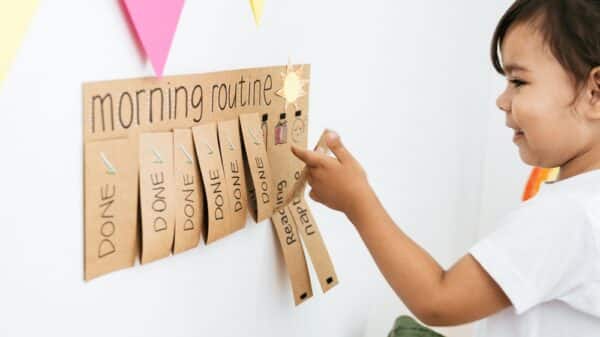
- Turn practice into a game: Use rewards like sticker charts to celebrate successful “hits.”
- Encourage accountability: Involve him in the cleanup process when misses occur to reinforce the connection between aim and mess.
Research suggests it can take several months for a child to be fully potty trained, and refining the “aim” often takes even longer. By using field-tested techniques, you can minimize the mess and help your child gain the confidence he needs to use the bathroom independently.
The Importance of Mastering Sitting Before Standing
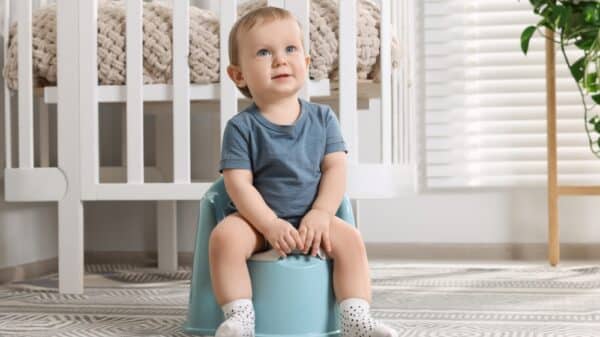
It is often tempting to jump straight to standing, but experts generally recommend that boys begin their potty training journey sitting down. Sitting encourages the relaxation of the pelvic floor muscles, which allows for more efficient bladder and bowel emptying. This is particularly important because young children often need to do both at the same time.
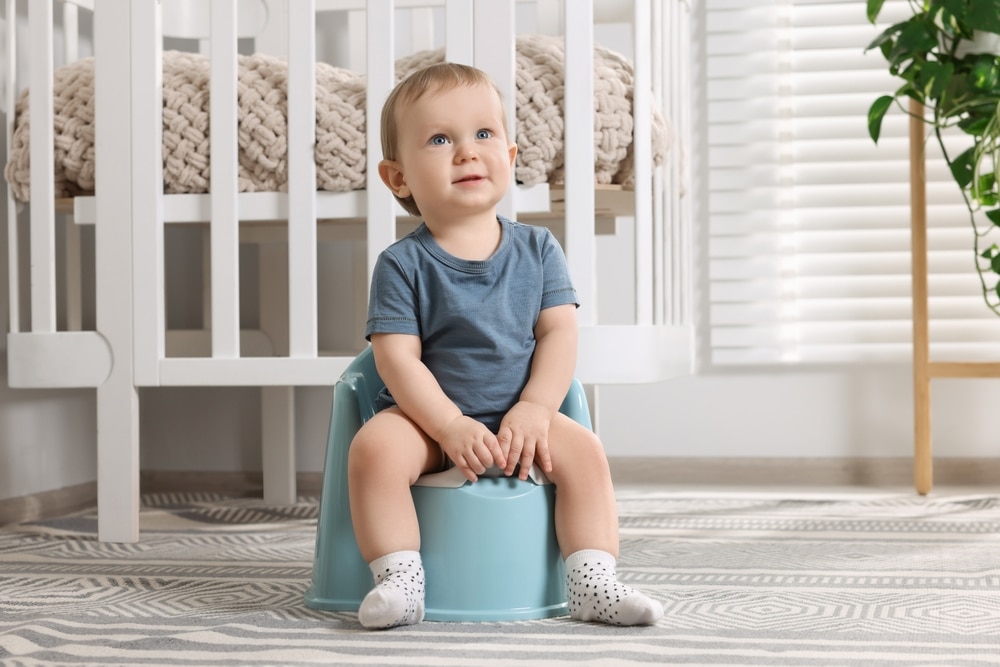
Additionally, starting with sitting helps prevent “poop withholding.” When boys are taught to stand exclusively, they may begin to resist sitting for bowel movements, which can lead to discomfort or constipation. Using a small floor-level potty or a secure adult seat insert with a splash guard allows him to learn how to direct his stream downward in a controlled environment.
Identifying When Your Little One Is Ready to Aim
There is no universal “right age” to start standing, but most boys develop the necessary balance and fine motor skills between the ages of 3 and 5. Because girls typically show interest in potty training slightly earlier than boys, it is important not to rush the process based on what other children are doing.
Look for indicators of physical readiness, such as the ability to stay dry for several hours or showing curiosity about how male family members use the restroom. A child-led approach reduces the likelihood of power struggles and ensures he feels physically stable enough to stand and aim without falling or missing.
Practical Techniques to Improve Your Toddler’s Accuracy
Teaching aim is about more than just bathroom maintenance; it is a step toward independence and self-reliance. When a child masters this skill, it boosts his self-esteem and makes him feel like a “big kid.” To make this transition easier, focus on body awareness and clear visual cues.
Learning Through Observation and Imitation
Toddlers are biological mimics. They process information best by observing others. If a male role model is available, letting your son observe the mechanics of standing, aiming, and cleaning up can be the most effective teaching tool. If this isn’t an option, you can use simple drawings, books, or even bathroom-safe toys during bath time to demonstrate how a stream of water moves toward a target.
Teaching Correct Posture and Placement for Success
Stability is the foundation of good aim. A sturdy step stool with a non-slip surface is a non-negotiable tool for short toddlers trying to reach a standard toilet. This allows them to stand high enough to see over the rim and direct their stream accurately.
Guide him to stand with his feet shoulder-width apart and a slight forward lean. You may need to instruct him to gently hold and point downward to ensure the stream goes into the water rather than over the seat. If he is hesitant to touch himself, explain that this is a normal part of using the bathroom, much like washing his hands.
Gamifying Potty Time to Keep Toddlers Engaged
Engagement is the key to preventing “potty boredom.” By turning the toilet bowl into an interactive zone, you keep his attention focused exactly where it needs to be. Consider these creative methods:
- Biodegradable Targets: Dropping a single piece of O-shaped cereal into the water provides a simple, flushable target that makes a satisfying sound when hit.
- The Floating Ball: A ping-pong ball with a face drawn on it can provide entertainment as the stream makes it spin. (Note: These must be removed before flushing!)
- Color Chemistry: A few drops of blue food coloring in the bowl will turn green when the yellow stream hits it, which often feels like magic to a three-year-old.
- Heat-Sensitive Stickers: Specialized stickers can be placed inside the bowl that reveal a hidden image when hit by warm liquid.
- Light Projections: Motion-activated toilet lights that project a target onto the water can make middle-of-the-night bathroom trips much more accurate.
Other games, such as “Sinking the Ship” (using small pieces of toilet paper) or practicing outdoors during warm weather where “misses” don’t matter, can help build muscle memory without the stress of a messy bathroom floor.
Handling Inevitable Spills and Setbacks with Grace
Accidents are an expected part of the learning curve. Your reaction to these misses significantly impacts your child’s willingness to keep trying. Maintaining a calm, matter-of-fact attitude is essential for long-term success.
| Approach | Positive Reinforcement | Natural Consequences |
|---|---|---|
| Mechanism | Using praise and small rewards for successful hits. | Requiring the child to help clean up any spray or spills. |
| Benefit | Increases confidence and motivation to improve. | Teaches personal responsibility and awareness of the mess. |
| Best Usage | During the initial learning phase to build excitement. | For older toddlers who are rushing or being careless. |
When a miss happens, avoid showing frustration or anger, as this can lead to anxiety or regression. Instead, hand him a cloth and show him how to wipe the seat or floor. This reinforces that while mistakes happen, we are responsible for tidying up afterward. To minimize distractions, keep the bathroom area clear of toys or extra toilet paper rolls that might pull his eyes away from the target mid-stream.
Building Long-Term Bathroom Hygiene Skills
The process isn’t finished until the cleanup is complete. Teach your son the “final shake” to prevent drips in his underwear before he pulls up his pants. Following this, transition immediately to the sink. Establishing a consistent handwashing routine now ensures that good hygiene habits stay with him for life.
Common Concerns When Training Boys to Stand and Pee
Is It Okay if My Son Prefers to Sit?
Absolutely. Sitting to urinate is common in many parts of the world and is often more hygienic. If your son feels more comfortable sitting, do not force him to stand. He will likely choose to stand on his own eventually when he sees peers or family members doing so.
Managing Distractions During the Process
Toddlers have notoriously short attention spans. If he tends to look around or move his body while peeing, use verbal reminders to keep him on task. Simple prompts like “Keep your eyes on the target” or “Finish the job before you move” can help him stay focused for those final few seconds.
Navigating Public Restrooms While Learning to Aim
Public toilets are often loud and intimidatingly large. In these environments, it is often easier to have your son sit backward on the seat to provide him with something to hold onto while ensuring his aim is directed downward. If he insists on standing, be prepared to support him so he can reach the bowl safely without touching unsanitary surfaces.
Final Thoughts on Mastering the Art of Aiming
Teaching a toddler boy to aim is a marathon, not a sprint. It requires a combination of the right physical tools, engaging games, and a consistent routine. By starting with sitting, using fun visual targets, and maintaining a positive attitude toward accidents, you can help your son navigate this messy transition with confidence. Remember to celebrate the small wins, keep plenty of cleaning supplies on hand, and trust that with time, he will master the skill and keep your bathroom floors dry.