
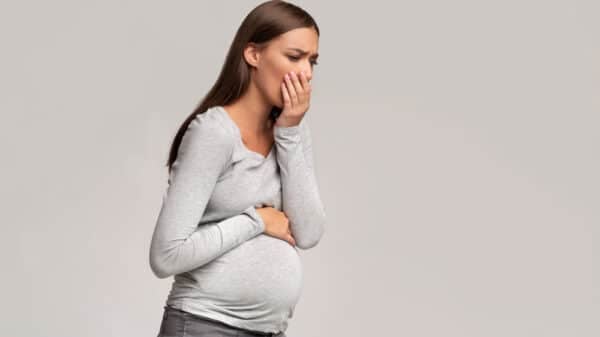
















For many expectant parents, the sixth week of pregnancy serves as a challenging introduction to morning sickness. While nausea is often considered a standard part of the first trimester, recent research suggests that if you are carrying a girl, you might experience more frequent bouts of queasiness than those expecting a boy. This findings give new scientific weight to a piece of folklore that has circulated for generations: that severe morning sickness is a tell-tale sign of a daughter.
New Evidence Links Nausea Frequency to Baby Gender
A massive analysis of over 1.8 million symptom logs from the What to Expect pregnancy app has provided fresh insight into this old wives’ tale. By reviewing 67 different pregnancy symptoms, researchers found that nausea and vomiting had the strongest statistical correlation with the sex of the baby. The data revealed that individuals carrying girls were 3.2% more likely to report these symptoms than those carrying boys. While the percentage may seem small, it represents a meaningful trend when viewed across such a large population.
“Expectant mothers carrying girls are 3.2% more likely to report nausea or vomiting compared to those carrying boys. This represented the most significant statistical difference among 67 tracked symptoms.”
The Hormonal Connection: Why Girls May Cause More Nausea
The biological driver behind this trend is likely human chorionic gonadotropin (hCG), the hormone that pregnancy tests are designed to detect. Generally, hCG levels tend to be higher in pregnancies involving a female fetus. Because elevated hCG is a known trigger for morning sickness, the higher hormonal load associated with girls often translates into more frequent nausea. While the biological theory has existed for some time, this large-scale data provides the empirical evidence needed to support it.
Why This Study Offers More Accuracy Than Previous Research
This particular study is considered more credible than past efforts due to the way the data was collected. Many previous studies relied on retrospective reports where parents already knew the baby’s gender, which often introduced subconscious bias. In contrast, the app data was recorded in real-time during the early stages of pregnancy, long before the parents knew the sex of their child. This “blind” logging ensures that the reported symptoms were not influenced by the parents’ expectations or knowledge of the baby’s gender.
Ancient Wisdom Meets Modern Data
The belief that a baby’s sex influences maternal health is far from a modern invention. Hippocrates, the ancient Greek physician, noted similar patterns in his medical writings titled Aphorisms. It is fascinating to see modern digital data confirm observations made thousands of years ago, suggesting that the fundamental experience of pregnancy has remained consistent throughout history.
Navigating Individual Variations in Morning Sickness
While the data shows a clear trend, it is essential to remember that these are population-level statistics rather than a definitive diagnostic tool for your specific pregnancy. Morning sickness exists on a wide spectrum, ranging from mild, occasional queasiness to hyperemesis gravidarum, a severe condition that requires medical intervention. Many people experience no sickness while carrying girls, while others face severe vomiting while carrying boys. Your unique hormonal makeup and sensitivity play a significant role in how you feel during the first trimester.
Final Thoughts on Pregnancy Symptoms and Gender Prediction
In summary, while the 3.2% statistical difference is significant for researchers, it is not a “slam dunk” for predicting whether you’ll be buying pink or blue. Pregnancy is a deeply individual journey, and your symptoms are influenced by a variety of factors beyond the baby’s sex. However, for those currently dealing with the discomfort of morning sickness, there is a certain satisfaction in knowing that ancient folklore and modern data finally agree: there may be a biological reason for that extra bit of queasiness.