
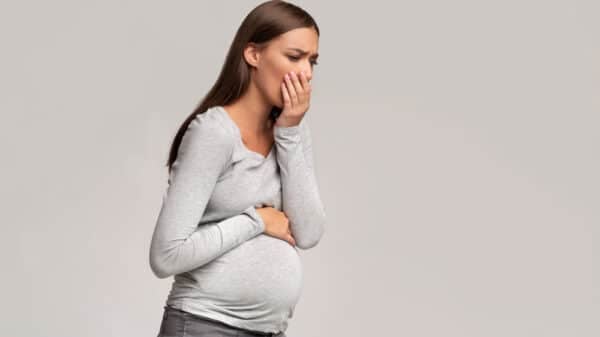
















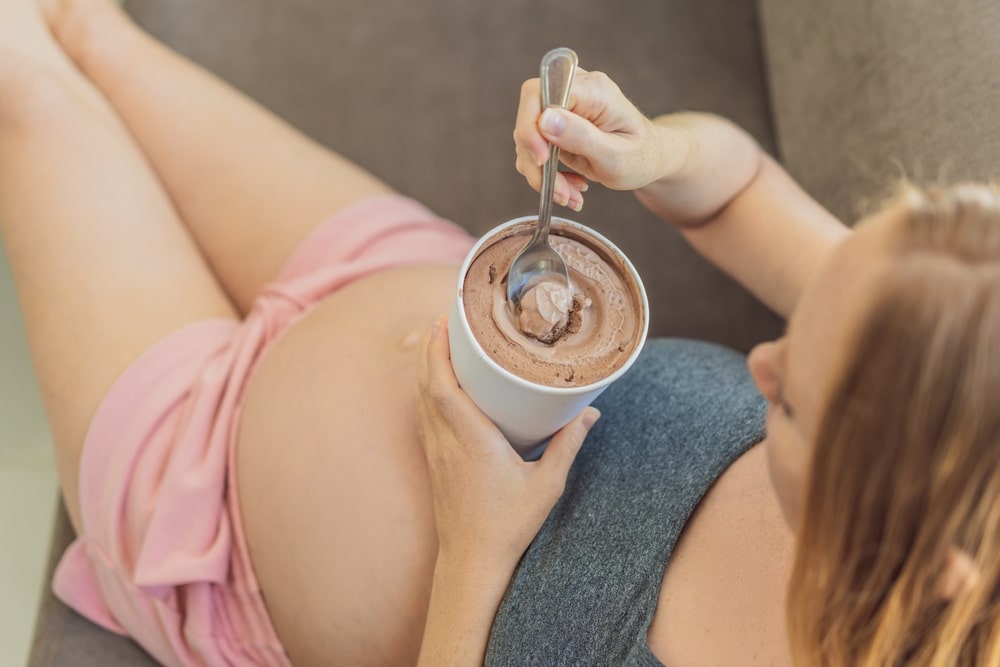
During the final trimester of my first pregnancy, I developed an obsession that felt entirely separate from my usual self: I was fixated on ice. I didn’t just want cold drinks; I became a connoisseur of texture. I knew exactly which local gas stations had the best crushed ice and perfected the art of freezing water bottles to create the ideal slushy crust. At the time, I assumed I was just a woman struggling with a mid-September due date in the summer heat. Once my son was born, the obsession vanished instantly.
Fast forward six years to my second pregnancy, and the ice craving returned with the same intensity. It turns out that what I thought was just a quirk of the weather was actually my body’s way of signaling a significant iron deficiency. This type of experience is far more common than many expectant parents realize, a fact recently highlighted by a viral social media discussion where thousands of women shared their most “unrealistic” pregnancy cravings.
The conversation, sparked by a woman who admitted she fantasized about catching raw salmon out of a river like a bear, revealed a wide spectrum of strange desires. Some women reported a sudden need for ocean water—later satisfied by holding a salty potato chip in their mouth while drinking plain water—while others described a total reversal of long-term dietary choices, such as a committed vegan suddenly needing red meat daily. Other anecdotes ranged from the humorous to the surreal, including cravings for non-food items like cigarettes or chalk, and even a woman whose specific craving for a pickle and chipotle aioli snack led her to take a positive pregnancy test.
Why Your Brain Creates Strange Pregnancy Cravings
The science behind these intense urges is a complex mix of biology and evolution. According to medical experts, the rapid surge of hormones like hCG and progesterone during the first trimester significantly shifts a person’s sense of taste and smell. These hormonal changes don’t just make you want a specific food; they alter the way your brain processes sensory information.
When a pregnant person fixates on something specific, like the salmon-in-the-river fantasy, the brain isn’t necessarily demanding that exact scenario. Instead, it is translating a physical need for nutrients—such as omega-3 fatty acids, protein, or iron—into a vivid, albeit irrational, mental image. It’s a biological request packaged in a very specific, and sometimes strange, demand.
Food aversions serve a different purpose. Experts suggest that the sudden inability to tolerate certain foods may be an evolutionary defense mechanism. During pregnancy, the immune system is naturally suppressed, and aversions often steer expectant parents away from foods that carry a higher risk of spoilage or foodborne illness. Meanwhile, the sudden shift toward meat for some plant-based eaters often reflects the body’s increased demand for iron and Vitamin B12, nutrients that can be more difficult to absorb in high quantities from plant sources alone during pregnancy.
How Your Body Communicates Nutritional Deficiencies Through Cravings
Sometimes, a craving is a direct map to a physiological need. The intense desire for ocean water is a prime example. As pregnancy progresses, blood volume increases significantly, and the kidneys adjust how they manage fluids. This shift can lead to sodium imbalances, which the body tries to correct by triggering powerful salt cravings.
My own experience with ice is another well-documented medical phenomenon known as pagophagia. This is a form of pica—the persistent craving for non-food substances. Pica affects approximately 28% of pregnant people globally and can manifest as a desire for ice, soil, clay, or even laundry starch. These behaviors are frequently linked to deficiencies in iron, zinc, or calcium. In my case, the ice obsession was a clear indicator of low iron levels that I didn’t recognize until much later.
Even the most unusual habits, like watching videos of others eating chalk while consuming safe crackers, represent the body’s attempt to satisfy a deep-seated nutritional drive through a safe proxy. It is a testament to how hard the body works to maintain balance during gestation.
Knowing When to Discuss Pregnancy Cravings with a Healthcare Provider
For most people, indulging in safe food cravings is perfectly fine. If you find yourself wanting extra french fries or vegetarian sushi, medical professionals generally advise leaning into those urges as long as your overall diet remains balanced and you are taking your prenatal vitamins. Your body is undergoing an incredible physical feat, and these cravings are often a natural part of the process.
However, the guidance changes when cravings move beyond the grocery store aisles. If you begin to crave non-food items, it is essential to contact your healthcare provider. Cravings for things like dirt, chalk, or soap are almost always symptoms of an underlying nutritional deficiency that needs to be addressed through medical screening. Additionally, if a craving feels compulsive, distressing, or involves dangerous substances like tobacco, it should be discussed without hesitation.
There are also specific physical signals to watch for. Extreme salt cravings can sometimes point to adrenal issues, while an obsessive need for sugar—especially when accompanied by increased thirst or frequent urination—may indicate a need for gestational diabetes screening. While a craving isn’t a diagnosis on its own, it is a valuable piece of information for your medical team.
Maintaining Safety While Navigating Intense Pregnancy Appetites
While the urge to eat like a bear might be strong, safety remains the priority. Experts recommend avoiding raw fish, high-mercury seafood, undercooked meats, and unheated deli meats due to the risk of listeria and other infections. The goal is to identify the underlying need and find a safe alternative. If you are craving raw fish, high-quality cooked seafood or omega-3 supplements may help satisfy the body’s requirements.
Reviewing your prenatal vitamins is also a helpful step. Not all supplements are created equal, particularly when it comes to iron absorption. If you are experiencing persistent or unusual cravings, it may be worth asking your doctor if your current vitamin regimen is meeting your body’s increased demands.
The journey of pregnancy is filled with unexpected changes, and the way we eat is no exception. Whether it’s an obsession with the perfect ice cube or a sudden love for pickles, these cravings are a unique, often humorous, and deeply biological part of the transition to motherhood.
Summary of Pregnancy Cravings
Ultimately, pregnancy cravings are more than just “weird” pregnancy symptoms; they are a sophisticated communication system between the body and the brain. While most urges for salt, sweets, or specific proteins are harmless and even helpful indicators of nutritional needs, cravings for non-food items should always be treated as a signal to consult a doctor. By understanding the hormonal and physiological drivers behind these impulses, expectant mothers can better navigate their health and enjoy the lighter side of their body’s incredible transformation.