




















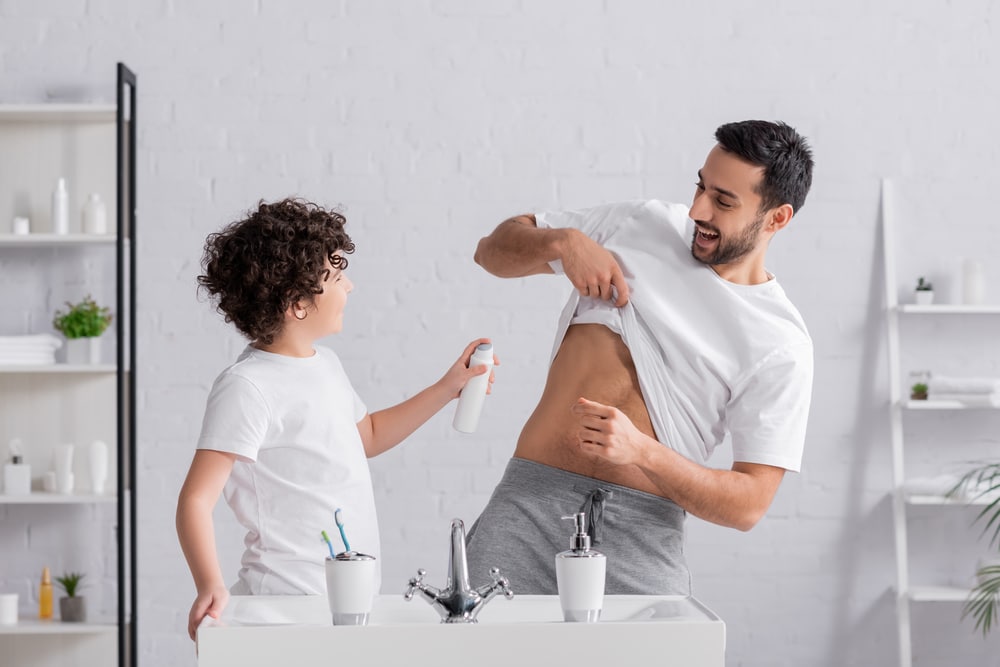
To understand why your child’s scent changes as they grow, it is helpful to understand the biology of sweat. Humans possess two distinct types of sweat glands: eccrine and apocrine.
Eccrine glands are functional from the moment a baby is born. They are found all over the body and release a watery, scent-free liquid designed to regulate body temperature. Apocrine glands, however, remain dormant until puberty-related hormones begin to rise. Located primarily in the underarm and groin areas, these glands produce a thicker, oilier type of sweat.
Body odor occurs when this oily sweat interacts with the natural bacteria on the skin’s surface. As the bacteria break down the sweat, a noticeable scent is created.
Parents should look for specific physical and behavioral cues that suggest it is time to introduce deodorant:
- Clear underarm odor: You may notice a sharper or more pungent smell after your child comes home from school or finishes physical activity.
- Increased perspiration: You might see sweat patches on their clothing or notice they are sweating more frequently during play.
- Physical shifts: Early signs of puberty, such as sudden height increases or changes in skin texture, often coincide with new body odors.
- Self-awareness: Your child might begin checking their own scent, hiding under their shirt, or asking questions about personal care products.
While body odor is a standard part of development, it can sometimes appear earlier than expected. If a girl under age 7 or 8, or a boy under age 9, begins to develop significant body odor, it is wise to consult a pediatrician. While often just a natural variation in growth, a medical professional can ensure there are no underlying concerns regarding early puberty.
Starting the Hygiene Conversation With Care and Without Shame
The secret to a productive talk about body odor is maintaining a positive, matter-of-fact tone. Frame the use of deodorant as a routine part of self-care—much like washing hair or brushing teeth—rather than a response to a hygiene “problem.”
Normalizing the process is often easiest when you model the behavior. Casually mention your own routine during the day. For example, you might say, “That workout really made me sweat! I’m going to hop in the shower and put on some deodorant so I feel fresh for the rest of the afternoon.”
If your child is particularly sensitive or resistant, avoid making the topic a formal event. Instead, take a subtle approach. You can place a gentle deodorant stick in their bathroom and simply mention, “I bought this for you to use whenever you feel like you’re ready for it.”
Being proactive helps children feel empowered rather than embarrassed if a peer makes a comment later on. By keeping communication warm and open, you teach them to navigate their changing bodies with confidence.
Age-Specific Scripts for a Smooth Conversation
If you are looking for the right words, try these gentle approaches tailored to your child’s developmental stage:
- For ages 8 to 9: “Your body is doing a great job growing! Those new sweat glands are starting to work now, which is totally normal. Let’s pick out a gentle deodorant together so you feel comfortable after you play outside.”
- For ages 10 to 12: “I noticed you’re sweating more after your games lately—that’s a sign your body is maturing exactly as it should. Let’s add a quick swipe of deodorant to your morning routine so you stay fresh all day.”
- For a reluctant preteen: “Using deodorant is just a small part of taking care of yourself, like using soap in the shower. It’s a quick way to make sure you feel clean and ready for your day at school.”
Understanding the Differences Between Deodorant and Antiperspirant
When browsing the personal care aisle, the variety of products can be confusing. Choosing the right option for your child depends on whether they need to manage odor or moisture.
| Feature | Deodorant | Antiperspirant |
|---|---|---|
| Main Purpose | Neutralizes and masks underarm odor. | Decreases and blocks underarm wetness. |
| Mechanism | Targets odor-causing bacteria on the skin. | Temporarily blocks sweat glands. |
| Key Ingredients | Antimicrobials, minerals, or botanical oils. | Aluminum-based compounds. |
| Best Suited For | Children and preteens needing basic odor control. | Older teens or children with heavy perspiration. |
Most experts recommend starting with a gentle, aluminum-free deodorant. At this age, children usually do not produce enough sweat to require a blockage of the glands; they simply need help neutralizing the scent.
When selecting a first product, look for ingredients like arrowroot powder, coconut oil, or magnesium hydroxide. For children with sensitive skin, it is best to avoid baking soda, which can lead to irritation or rashes, as well as synthetic fragrances, parabens, and phthalates.
Creating an Easy Daily Hygiene Routine for Your Child
Deodorant is most effective when it is part of a broader hygiene plan. Helping your child establish these habits early will build their confidence as they grow.
- Regular Bathing: Encourage daily showers or baths, particularly after sports or active play. Teach them the importance of active washing; instead of just letting water run over their skin, explain how to thoroughly scrub the underarms, groin, and feet with a washcloth and soap.
- Fresh Attire: Explain that bacteria and sweat cling to clothing fibers. A shirt worn the previous day will often smell as soon as it is warmed by body heat. Establish a clear rule about wearing fresh clothes every day.
- Laundry Management: Encourage your child to put damp or sweaty clothes straight into the hamper. Promptly washing athletic gear prevents the long-term buildup of odor-causing bacteria.
To make the transition easier, involve your child in the process of choosing their first deodorant. Let them test different scents at the store to find one they like. Solid sticks or roll-ons are usually better for beginners, as aerosol sprays can be difficult to control and may irritate the respiratory system.
Common Questions Regarding Kids and Deodorant Use
Is Aluminum-Based Antiperspirant Safe for Preteens?
Yes, research indicates that aluminum-based antiperspirants are safe and meet regulatory standards. However, since most preteens only require help with odor rather than heavy sweat reduction, many pediatricians suggest starting with an aluminum-free deodorant as a gentler first step.
Managing Rashes Caused by Natural Deodorant Ingredients
Many natural products utilize baking soda to manage moisture. Because baking soda is highly alkaline, it can disrupt the skin’s natural barrier, leading to redness and itching in some children. If a rash develops, switch to a formula specifically designed for sensitive skin that uses magnesium hydroxide or arrowroot powder instead.
Is It Safe for a 7- or 8-Year-Old to Start Using Deodorant?
It is perfectly safe for younger children to use gentle, fragrance-free deodorants. That said, if your child is under age 7 or 8 (for girls) or 9 (for boys) and shows significant body odor, a visit to the pediatrician is recommended to confirm that development is proceeding normally and to rule out early-onset puberty.
Supporting Your Child as They Embrace New Hygiene Milestones
Ultimately, the emergence of body odor is a healthy sign that your child is growing exactly as they should. By meeting this milestone with a supportive attitude and practical information, you help your child transition through these years with dignity and self-assurance. Remember that as you focus on your child’s needs, taking time for your own self-care is equally important to maintain your well-being. By staying informed and maintaining open lines of communication, you can turn a potentially awkward transition into a positive step toward independence and maturity.