














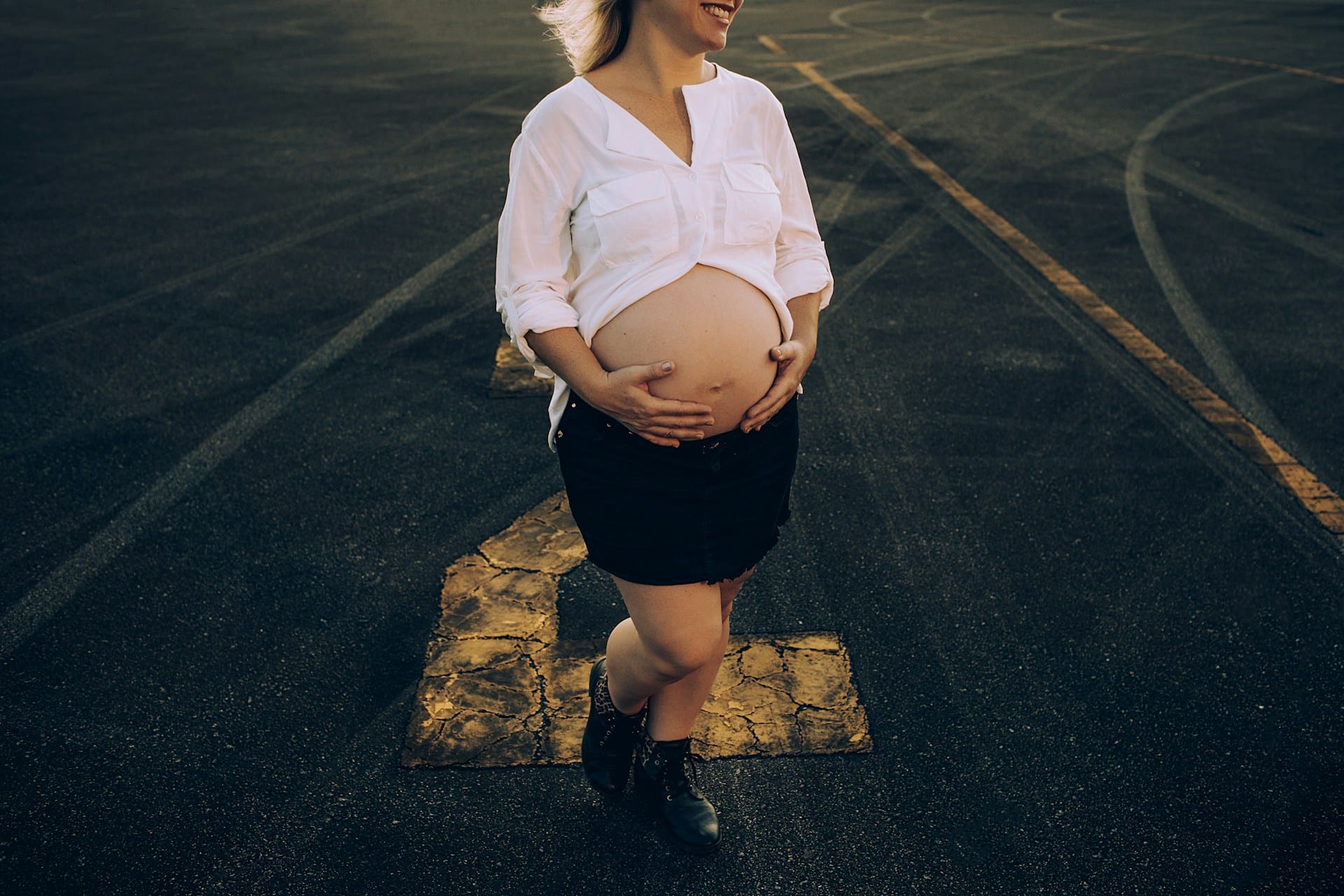
The initial flutter often takes you by surprise—a delicate nudge reminiscent of butterfly wings. Before long, these flutters evolve into nudges, stretches, and rolls, establishing a cadence that becomes part of daily life during pregnancy. For countless parents, each movement evokes instinctive reactions: a hand resting on the belly, a soft greeting, or even a gentle lullaby.
These moments go beyond mere small rituals; they represent the early strands of your bond—a means by which your baby is already welcoming you into a relationship that will flourish well after birth.
Everyday movements foster connection
Many expectant parents begin to notice recurring patterns: a surge of activity post-lunch, delicate flutters during evening relaxation, or kicks that occur at the same time daily. Over time, you start to anticipate these movements, sensing that your baby possesses their own unique personality.
Psychologists refer to this as a preliminary form of bonding. By recognizing and responding to these movements, you start to envision your baby as an individual. These small, everyday interactions quietly yet powerfully lay the foundation for parenthood.
Scientific insights on fetal movement and connection
A study published in Early Human Development tracked the fetal movements of 51 women in their third trimester using a fetal actocardiograph, a device that captures activity even if it goes unnoticed by the mother. Participants also filled out a maternal-fetal attachment (MFA) questionnaire assessing three dimensions of prenatal bonding:
- Anticipation – envisioning life with the baby and imagining their personality.
- Differentiation – recognizing the baby as a separate individual.
- Interaction – observing and reacting to the baby’s movements.
The research indicated that more frequent fetal movements correlated with higher scores in all three dimensions. In essence, babies who kick and move more frequently may inherently evoke stronger mental images, greater acknowledgment as distinct individuals, and more engaged responses from parents.
Researchers propose that these movements serve as an early biological cue, encouraging parents to notice, react, and start forming connections even prior to birth.
Influence of prenatal bonding on post-birth parenting
Developmental psychologists emphasize that the bond established during pregnancy can influence the months following birth. Parents already attuned to kicks and flutters are effectively engaging in “early caregiving”—recognizing cues, responding lovingly, and anticipating their baby’s needs.
A stronger prenatal attachment has been shown to relate to more sensitive caregiving later, encompassing soothing cries and interpreting subtle signals. Each kick serves as a mini-rehearsal for the attunement and empathy that characterize parenting.
Transforming kicks into meaningful connections
You need not track every movement or establish patterns like a checklist. Instead, the essence lies in being present. You might consider:
- Resting your hand on your belly when your baby shifts.
- Whispering a greeting or exchanging a smile during lively moments.
- Taking a moment to notice how your body reacts when your baby stretches.
These practices offer comfort. They convey to your baby, even from the womb, that you see them and are there with them.
Establishing those initial connections
Every kick, flutter, or stretch marks the beginning of your relationship. These movements represent your baby’s earliest mode of communication, a connection that will flourish into those first smiles, sleepless nights, and tender moments.
As you perceive and react, you’re already constructing the bond that will guide your parenting journey. And many parents agree that these moments were their initial “conversations” with their baby. Each flutter is a reminder that your journey together has commenced—long before the first cry, the first smile, or the first embrace.
Image Source: Unsplash