




















For years, many of us in the parenting and wellness space have operated under a specific set of “health rules.” We drink our weights in water, we stick to the perimeter of the grocery store, and we view salt as a necessary evil—or something to be avoided entirely. I followed this script to the letter, yet I found myself struggling with persistent fatigue, a foggy brain, and a digestive system that felt like it was moving through molasses.
It was only after diving deep into the world of mineral balance that I realized I was missing a foundational piece of the puzzle. We have been conditioned to fear sodium, but for those of us living active lives—especially those of us managing the physical and mental demands of raising a family—the reality is often the exact opposite: we aren’t getting nearly enough. Sodium isn’t just a seasoning; it is a vital spark for our cellular machinery.
Sodium: and Why Our Cells Crave it
We often hear the word “electrolytes” in the context of neon-colored sports drinks, but their role in the human body is far more sophisticated. Electrolytes are the minerals that allow our bodies to carry an electrical charge. Because the human body functions as an intricate electrical system, these minerals are the “wiring” that allows every thought, every heartbeat, and every muscle contraction to occur.
Sodium is the heavy lifter of this group. It carries a positive charge that facilitates communication between our cells. Research into cellular biology shows that sodium and potassium ions are in a constant dance, moving across membranes to keep our internal “grid” online. When we are low on sodium, that electrical signaling becomes weak and inefficient. Shifting my perspective from seeing salt as a “bad ingredient” to seeing it as a “biological conductor” changed everything about how I approached my daily nutrition.
Sodium For Cell Power
To truly appreciate sodium, we have to look at the sodium-potassium pump. This is a microscopic mechanism found in the membrane of every cell in your body. Its job is to pump sodium out and pull potassium in, creating a gradient that generates energy.
This process is so vital that it consumes a massive portion of our total daily energy. In fact, it is estimated that the brain alone uses nearly half of its energy just to keep these pumps running. When we don’t provide the body with the raw materials it needs to maintain this balance, the system begins to prioritize survival over optimal performance.
Not Getting Enough
When the body is forced to compensate for low sodium levels, the “power” in our system dims. This doesn’t just result in a minor energy dip; it can manifest in several disruptive ways:
- Muddled thinking or “brain fog” that makes multitasking feel impossible
- Sluggish digestion and a feeling of heaviness after meals
- Chronic fatigue that isn’t solved by a good night’s sleep
- Skin that feels perpetually dry and hair that loses its luster
- Decreased efficiency in electrical signaling across the nervous system
I found that on days when I was particularly active or drinking significant amounts of plain water, these symptoms would peak. It was a clear sign that my body was crying out for minerals, not just more volume of liquid.
Why “More Water” Isn’t Always Better
The standard advice to “just drink more water” is actually incomplete. Proper hydration is a balance between fluid and minerals. When we flood our systems with plain, purified water without accompanying electrolytes, we can actually dilute the sodium levels in our blood.
Sodium is responsible for maintaining the fluid balance outside of our cells. If sodium levels drop too low, the body tries to compensate by moving water into the cells, which can cause them to swell. This is particularly noticeable in the brain, where even minor fluid shifts can lead to headaches, nausea, and a general sense of being “off.” If you find yourself drinking gallons of water but still feeling thirsty or dealing with frequent headaches, you may not be dehydrated—you may be “de-mineralized.”
Sodium and the Nervous System: A Hidden Safety Signal
One of the most profound realizations I had was how sodium affects our sense of peace. The brain constantly scans the body for “safety signals.” When we have adequate sodium, our blood volume is stable, and our circulation is efficient. This sends a message to the nervous system that the body is well-resourced and safe.
Conversely, when sodium is low, the body can perceive this as a physiological stressor. This can trigger a “fight or flight” response, leading to symptoms that mimic anxiety. You might experience a racing heart, dizziness when you stand up too fast (POTS-like symptoms), or a “tired but wired” feeling where you are exhausted but your mind won’t stop racing. Supporting your mineral levels is a physical way to tell your nervous system that it can relax.
Rethinking Sodium and Blood Pressure
The link between sodium and high blood pressure is more complex than we’ve been led to believe. While it’s true that high-sodium processed foods (paired with a lack of movement and low potassium) can be a problem, the relationship follows a “J-shaped curve.” This means that having too little sodium can be just as risky for cardiovascular health as having too much.
Interestingly, some experts suggest that for a large portion of the population, increasing sodium intake within the context of a whole-food diet actually stabilizes blood pressure rather than raising it. When we balance sodium with potassium and magnesium, we provide the heart with the minerals it needs to pump effectively. Personally, I have seen that focusing on high-quality mineral salts alongside a nutrient-dense diet led to better clinical markers, not worse ones.
Why Modern Lifestyles May Deplete Sodium
Our ancestors didn’t have the same mineral challenges we do. Today, our lifestyles are designed to deplete sodium. If you are a parent who exercises, uses a sauna for detoxification, or lives in a warm climate, you are losing significant amounts of sodium through sweat.
Furthermore, if you have transitioned to a “clean” diet, you’ve likely removed the ultra-processed foods that provide the bulk of sodium in the standard American diet. While this is a healthy move, it often leaves a “sodium gap.” Other factors that increase our need for salt include:
- Pregnancy and breastfeeding (where blood volume increases significantly)
- Low-carb or ketogenic diets (which cause the kidneys to excrete more sodium)
- Chronic stress, which can impact the adrenal glands and mineral retention
- High-intensity exercise or frequent sweating
Choosing the Right Sources of Sodium
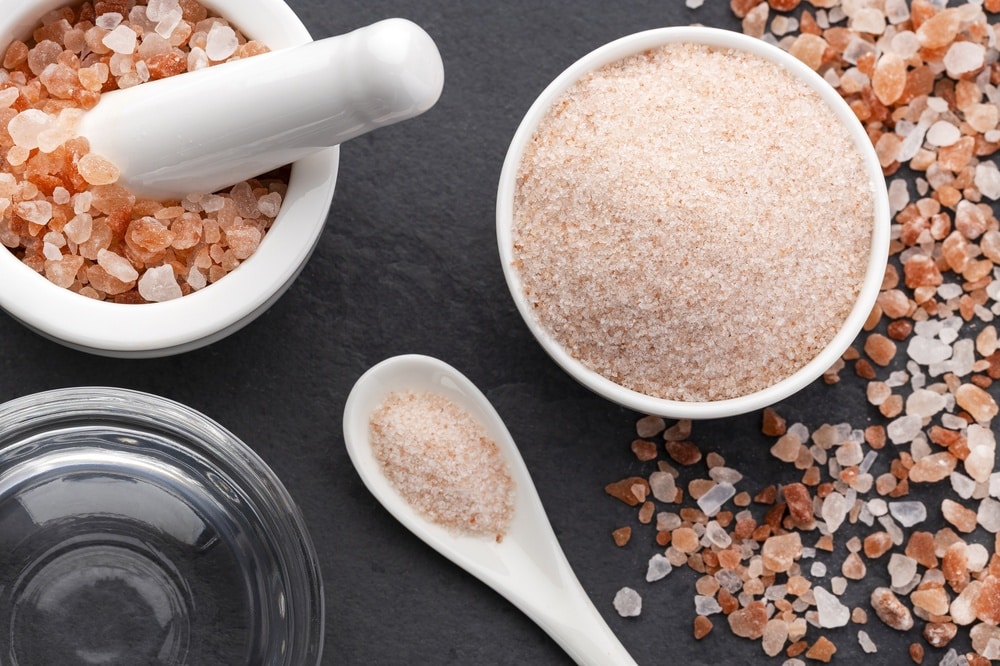
The quality of your salt matters as much as the quantity. Standard table salt is often highly processed and stripped of secondary minerals. When looking for the best sources, I opt for salts that are minimally processed and tested for purity.
Mined mineral salts or high-quality sea salts are excellent choices, though it is important to be aware of potential contaminants like microplastics in some sea salts or heavy metals in lower-quality mined salts. The goal is to find a clean source that you can use liberally to season your home-cooked meals.
How Much Sodium and Where to Get it
While standard guidelines often suggest staying under 2.3 grams of sodium daily, many active individuals find they feel their best closer to 5 grams. This might sound like a lot, but when you aren’t eating packaged foods, you have to be intentional about reaching that goal. Here is how I manage my intake:
- Seasoning food to taste with high-quality mineral salt.
- Using mineral drops or a swirling device to “structure” and re-mineralize drinking water.
- Incorporating high-quality electrolyte powders (like LMNT) during workouts or stressful days.
- Eating naturally mineral-rich foods like olives, pickles, and fermented sauerkraut.
- Sipping on salted bone broth, which provides collagen alongside minerals.
- Using salt tablets if I am traveling or cannot easily access mineralized drinks.
Practical Ways to Support Healthy Sodium Levels
Instead of obsessing over every milligram, I recommend listening to your body’s feedback. If you feel a mid-afternoon slump, try a pinch of salt in your water instead of a second cup of coffee. If you feel dizzy when you stand up or experience muscle cramps, those are clear signals from your cells that your electrolyte balance is off.
Adjust your intake based on the context of your day. If it’s a heavy gym day or you’ve been chasing kids at the park in the sun, your sodium needs will naturally be higher than on a sedentary day.
Summary: A More Nuanced View of Sodium
Understanding that sodium is a foundational nutrient rather than a dietary villain has been one of the most empowering shifts in my health journey. It is the fuel for our cellular communication, the stabilizer for our nervous system, and the key to true hydration. By moving away from a mindset of restriction and toward one of mineral optimization, we can better support our bodies through the physical demands of parenting and the stresses of modern life. When we give our cells the minerals they crave, our energy, clarity, and overall well-being can finally thrive.