



















Over the years, I’ve spoken with many health experts, and one universal truth emerges: sleep is crucial for everyone. However, small factors—like the presence of night lights—can significantly disrupt sleep quality.
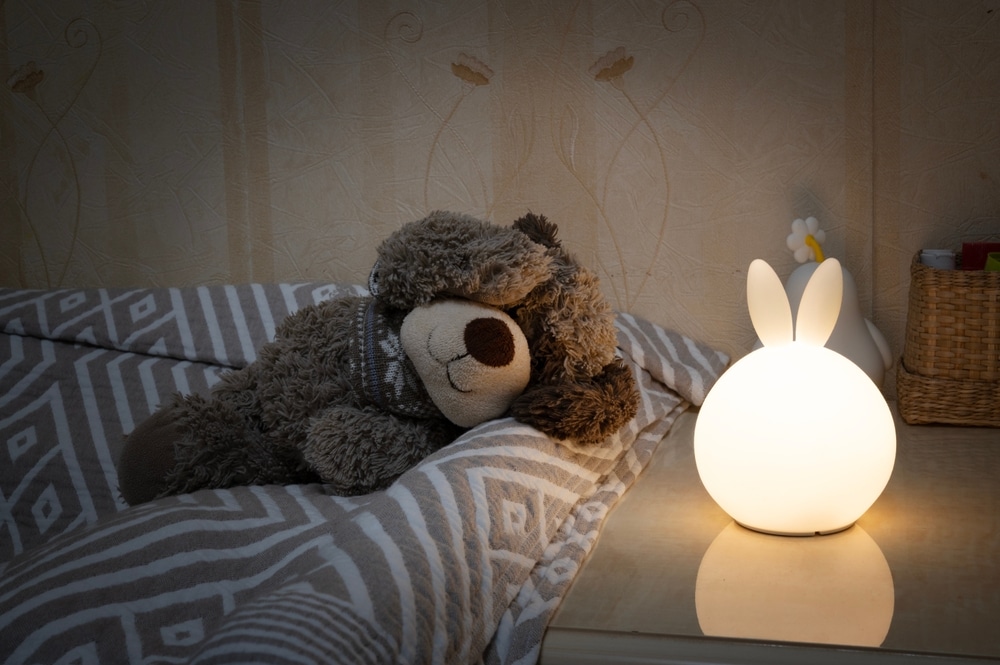
After reevaluating my family’s sleep environment, I noticed a remarkable improvement in our sleep patterns. A cool, pitch-dark room is fundamental for healthy sleep, leading to improved sleep quality and increased energy levels. One straightforward adjustment was simply turning off our night lights.
Here’s why sleep hygiene matters so much:
What’s the Problem With Night Lights?
Exposure to light at night is linked to several health issues, including increased levels of depression, a heightened risk of breast cancer, and hormonal imbalances. According to PhD Joyce Walseben, light exposure inhibits melatonin production, an essential hormone for sleep. Even if you manage to fall asleep, your brain continues to perceive light through closed eyelids, creating confusion.
A dark, cool sleep environment is essential for hormonal balance. Interestingly, widespread use of night lights is a recent phenomenon; in the past century, people relied on natural cycles of light and darkness. Research increasingly indicates a correlation between nighttime light exposure and serious health concerns. For instance, a CDC report highlights that women who are profoundly blind have significantly lower breast cancer rates than sighted women. Profoundly blind men also experience a reduced risk of many cancers compared to their sighted counterparts.
Shift workers, who often work in artificial light environments during nighttime hours, have shown higher incidences of cancer and various health complications linked to circadian rhythm disruptions.
The Importance of a Night Light-Free Zone for Kids
Nighttime light exposure diminishes sleep quality and can shorten sleep duration, leading to additional health challenges. A study in 2024 published in Biomedicines found that children who enjoy quality sleep are significantly less likely to face obesity and related health issues, owing to the favorable impact of good sleep on genes associated with weight regulation.
Chronic sleep deprivation interferes with carbohydrate metabolism and alters appetite-regulating hormones. Dr. Zee from Northwestern Memorial Hospital emphasizes the importance of consistent sleep patterns for effective weight management:
“Perhaps even more important than sleep duration is the effect of day-to-day variability in sleep-wake timing on weight regulation.”
Why Sleep is Critical for Kids
While sleep is essential for everyone, it plays a particularly vital role in the development of children. Sleep is the time when brains consolidate information, recover from daily stress, and rejuvenate the body.
Insufficient or disrupted sleep in children can lead to numerous issues, including:
- Allergies and immune problems
- Anxiety and depression
- Obesity, diabetes, and a potential risk for high blood pressure
- Poor academic performance and difficulty concentrating
- Learning and memory deficits
- Symptoms resembling ADHD
- Mood swings and irritability
- Higher stress hormone levels and irregular heartbeats
- Daytime drowsiness, compounding the aforementioned issues
Blue light from screens and night lights is particularly disruptive to sleep because it signals to the brain that it’s daytime. Morning sunlight exposure is equally important for regulating circadian rhythms and setting the stage for restful sleep at night.
Practical Changes for Better Sleep
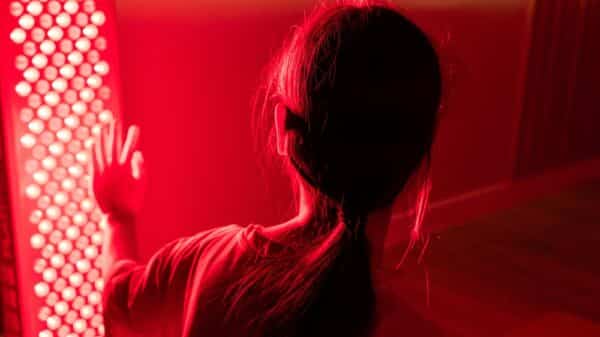
Over the years, I’ve made it a habit to soak up morning sunlight, and my children have followed suit. I model positive bedtime routines and have made practical adjustments to our home lighting. We now use amber or red lighting during the evening. Transitioning my children from night lights to total darkness required time and patience, but the effort was worth it.
Step-by-Step: How to Ditch the Night Lights
As my kids have grown, I’ve adapted their rooms for better sleep hygiene. Here’s how I helped my younger children make the transition to a healthier sleep environment:
- Removed night lights and any electronic devices with glowing screens
- Maintained a cool room temperature
- Installed blackout shades to block artificial light from outside
- Used white noise machines to promote uninterrupted sleep; “rain” sounds are especially comforting
While my children have amber light bulbs for evening use, these are turned off at bedtime. We utilize Himalayan salt lamps in hallways and bathrooms to provide dim light when necessary without disrupting their sleep cycles.
Helpful Tips for Better Sleep
When implementing these changes, I established a calming bedtime routine as part of the transition. I would turn on the sound machine and read bedtime stories while the lights were on, gradually moving to complete darkness with the door closed.
Here are additional tips to further help children avoid blue light and achieve better sleep:
- Ban screens after dark; consider a designated charging drawer for devices
- If screens are essential, use blue light-blocking glasses
- A warm cup of chamomile tea blended with raw honey and butter can offer a soothing sleep aid
- Applying magnesium lotion to the feet and legs before bed is beneficial for promoting restfulness
- Switching to organic mattresses also contributed positively to my son’s sleep, particularly for his allergies—though addressing light exposure was a more urgent priority
Let Them Be A Part of the Process
Involving children in discussions about the reasons for removing night lights empowers them to make healthier choices. When I discussed the detrimental effects of night lights with my older kids, they were more inclined to participate in the adjustment process.
I continue to be amazed by children’s innate curiosity and intelligence, especially when allowed to make informed decisions.
Final Thoughts on Night Lights
Sleep is essential for everyone, especially for children in their developmental years. Transitioning to a night light-free environment may seem daunting, but it is entirely achievable with thoughtful methods. By engaging your children in the process and incorporating calming bedtime rituals—like herbal tea and bedtime stories—you can make the shift less overwhelming and more enjoyable for everyone.
Are your kids still using night lights? Have you thought about eliminating them? Your experiences can provide invaluable insights!