




















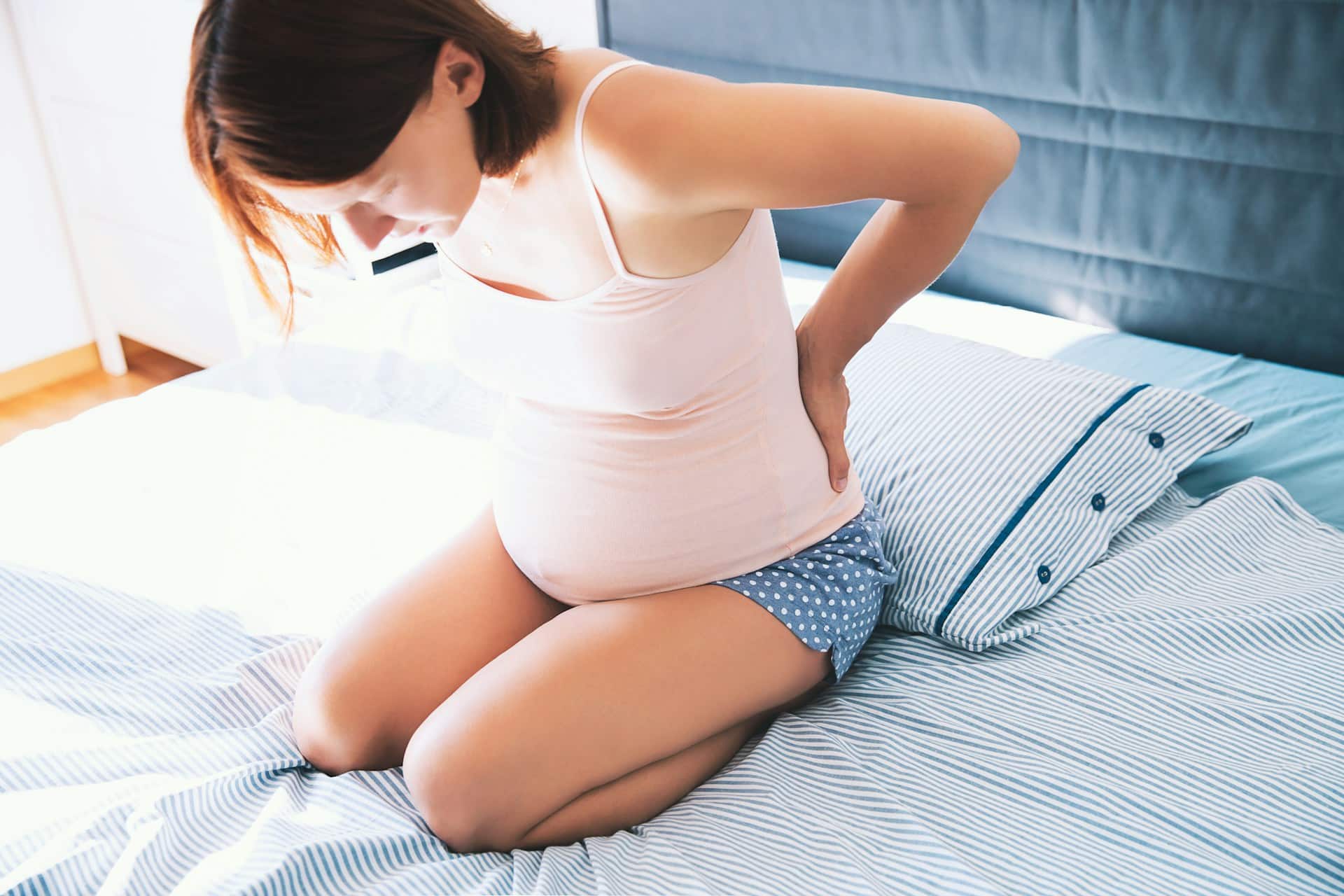
Pregnancy isn’t always greeted with eager anticipation. For many mothers, it can start with a struggle for survival. Severe pregnancy sickness, known as hyperemesis gravidarum (HG), can result in months of unrelenting nausea, repeated hospitalizations, and a profound exhaustion that permeates every aspect of life.
Recent research featured in The Lancet Obstetrics, Gynaecology, & Women’s Health corroborates what numerous mothers have long experienced: HG negatively impacts both physical health and mental well-being, leaving enduring emotional scars. Women suffering from HG face a notably higher risk of depression, PTSD, and other mental health issues. For many mothers, this is a long-deserved acknowledgment.
What the study revealed
Researchers examined the medical records of nearly 500,000 women across 18 nations. Their discoveries are quite alarming:
- HG is correlated with a 50% rise in mental health and neuropsychiatric disorders in the year following diagnosis.
- The incidence of postpartum depression in women with HG was nearly three times greater.
- Higher risks of PTSD and eating disorders were observed, as well as rare conditions like postpartum psychosis.
- Severe complications, such as Wernicke’s encephalopathy—a neurological condition caused by vitamin B1 deficiency—were also more prevalent.
These results underscore one crucial point: even when symptoms appear to be “milder,” HG can instigate lasting emotional and psychological challenges.
Why this matters for mothers
For far too long, women suffering from HG have been advised to “just tough it out.” Many have encountered dismissive remarks suggesting their symptoms are exaggerated or likened to “just morning sickness.” Comments like “have you tried eating Saltines?” are all too common. However, this goes beyond typical pregnancy nausea; it is a harrowing ordeal in which women often struggle to voice their needs, with their suffering frequently overlooked—even by healthcare professionals. This study makes it clear that mothers require significantly more support—HG is a serious condition that calls for compassion rather than minimization.
The burden is twofold: mothers contend with unyielding nausea, dehydration, or the need for hospitalization, all while facing an increased risk of depression and other psychiatric disorders. What should be a joyful time can instead transform into an overwhelming and frightening experience. Physically and mentally strained, these women often find it difficult to advocate for themselves amidst it all.
The data makes one fact evident: mothers warrant genuine care and emotional backing, not dismissal.
What experts want mothers to understand
Dr. Hamilton Morrin, a Doctoral Fellow at King’s College London, remarked to Bioengineer that while mild nausea and vomiting are often considered part of pregnancy, hyperemesis gravidarum represents a severe condition with debilitating repercussions.
Dr. Thomas Pollak, Clinical Reader and Consultant Neuropsychiatrist at King’s College London, noted that this study significantly narrows the gap between the experiences of women with HG and the understanding of the medical community.
Together, their insights underscore a critical point: care for HG must address both physical and mental health.
Practical advice for mothers and their support systems
What can mothers—and those who care for them—do with this newfound knowledge? Here are a few measures that can help alleviate the difficult days associated with HG.
If you are a mother with HG:
- Communicate openly with your healthcare provider about both your physical and emotional symptoms.
- Involve a partner or friend to advocate for you within the healthcare system if you are too incapacitated to advocate for yourself.
- Consult the latest expert medical information from the HER Foundation (an HG advocacy organization) and avoid misleading advice from uninformed family members or social media; contrary to popular belief, medication for nausea during pregnancy is not harmful to the baby.
- Inquire about mental health screenings or referrals if you notice signs of depression, anxiety, or PTSD.
- Monitor your symptoms—early intervention can safeguard both your physical and mental health.
If you care for someone with HG:
- Believe her, and take her symptoms seriously.
- Provide tangible assistance—meals, childcare, household chores—so she doesn’t feel isolated.
- Check in postpartum, as risks do not vanish after delivery.
The broader perspective
HG is both a medical emergency and an emotional ordeal that changes how mothers experience pregnancy. This study highlights the necessity for healthcare providers, families, and workplaces to incorporate mental health screenings and compassionate support into care from the very beginning.
For mothers, this research brings a sense of hope. It validates what many have long expressed through tears: HG transforms everything, and it deserves acknowledgment.
Image Source: Unsplash