














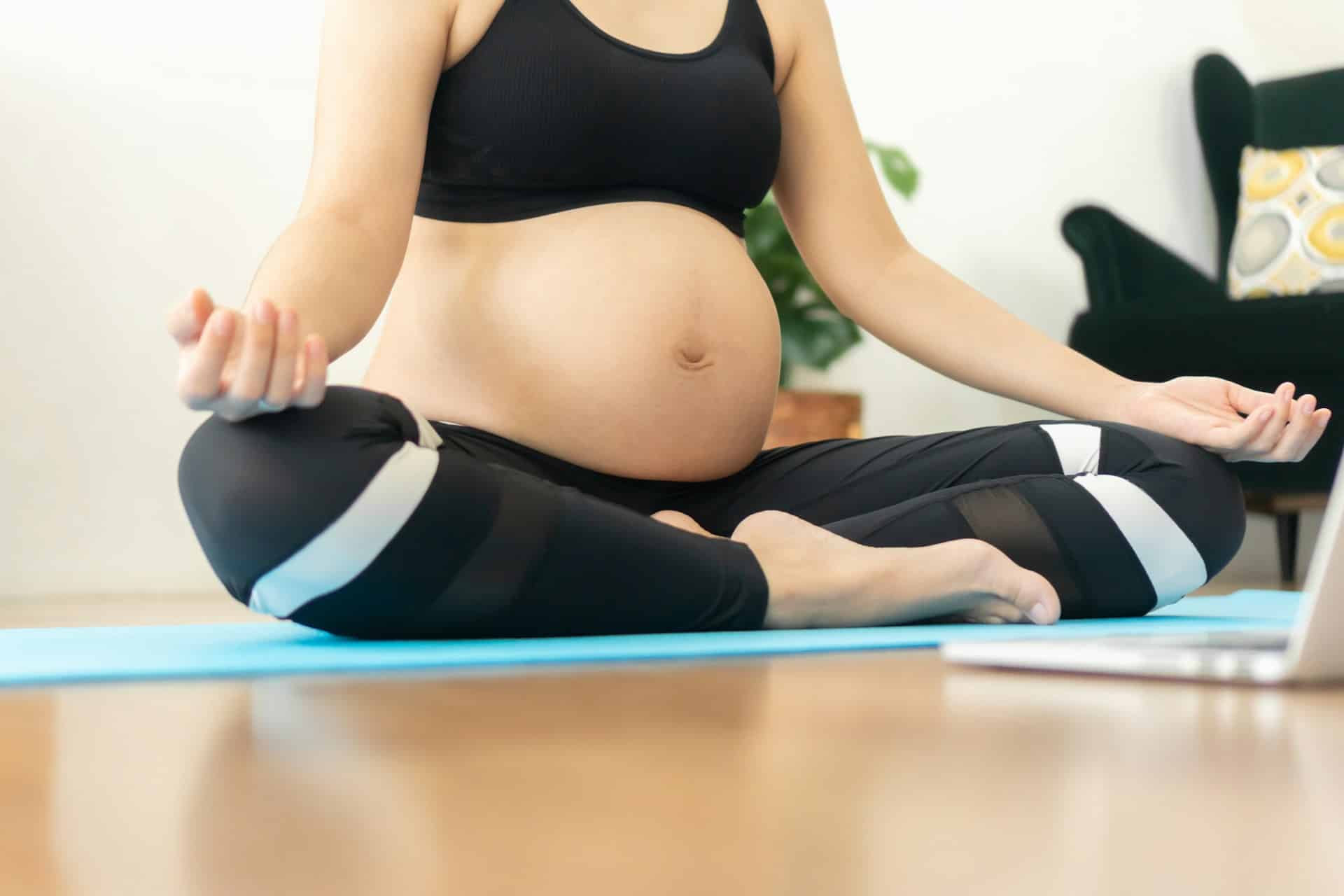
Whether or not you’ve ever tried downward dog, pregnancy is an ideal opportunity to start a yoga practice. The benefits of prenatal yoga are vast, covering physical, emotional, and mental aspects. Moreover, this discipline plays a crucial role in preparing for childbirth, helping align both the body and mind for the upcoming arrival of your baby.
Deb Flashenberg, the founder of the [Prenatal Yoga Center](https://prenatalyogacenter.com) in New York City and a mother of two, points out that prenatal yoga not only nurtures a community and support system for expectant mothers, enhancing their body confidence for the transformative journey of childbirth, but also equips them with techniques to manage discomfort. “At Prenatal Yoga Center, we teach familiar movements that can translate to labor and address the issues, aches, and pains many women experience during pregnancy.”
Even if you are not planning an unmedicated birth, practicing yoga can greatly improve your labor experience.
5 Essential Yoga Poses for Labor
Below are five yoga poses suggested by Debra that could be advantageous during the critical moments of childbirth.
1. Squat
Why is it effective? A squat can expand the pelvic outlet by approximately 28% more than lying down, using gravity to press on the cervix, which may encourage dilation.
To start, it’s vital to loosen the ankles and calf muscles. The initial position illustrates how to stretch the back of your leg while easing tension in your calves and ankle joints. Julia, the model, extends one leg back at a time, engaging her knee and pressing her heel back. Ensure not to excessively arch your lower back; a slight tilt of the tailbone toward the ground is preferable.
Next, stretch the adductors, which are the muscles in your inner thighs. In this position, Julia places her feet about three feet apart and leans forward, hands resting on blocks. She gently turns both feet outward, bends one knee, and lowers into that hip while keeping the heel of the other foot down and flexing it actively before switching sides.
Finally, move into an unsupported squat. To accommodate any tightness in her legs, Julia uses a folded blanket to elevate her heels, then lowers herself.
Alignment reminder: Once in the squat, it’s crucial to lift the inner arches and knees, avoiding balance on the balls of the feet while keeping toes pointed forward. If they point sharply outward, it restricts the pelvic outlet. Also, make sure weight is evenly distributed across your feet.
As an alternative, perform a partner squat. Participants grip each other’s forearms while one partner descends gently. Alignment tip: to support the squatting partner’s weight, the standing partner should lean back and maintain a slight bend in the knees, mimicking a water-skiing posture!
2. Rocking Cat
How is it beneficial? This moving series reduces back pressure, encourages optimal fetal positioning with the belly down, and helps the baby find the best birth position. Additionally, synchronizing breath with the rocking motion creates rhythm, ritual, and relaxation for the mother.
To perform it: Start on all fours. If anyone has sensitive knees, a mat, blanket, or towel can be placed beneath them. Knees should be hip-width apart or wider, with hands shoulder-width apart. As you inhale, extend your spine forward; as you exhale, round your back, rocking your hips back toward—not all the way to—your heels. Continue this pattern for as long as feels comfortable!
3. Side Lying
What makes it useful? This pose promotes internal rotation by raising the ankle of the upper leg, which opens up the pelvic outlet. It can be particularly beneficial for addressing or preventing a baby positioned in the OP (occiput posterior) orientation. Lying on your side with internal rotation resembles the use of a peanut ball (a large inflatable ball shaped like a peanut). While research on peanut balls is still emerging, it suggests that they may shorten both the first and second stages of labor and decrease the need for interventions like forceps or vacuum assistance.
To execute this pose: Arrange a bolster or a stack of cushions at a gentle incline. Lie on your selected side, resting your upper leg on the support and keeping the ankle higher than the knee. Extend your lower leg straight and roll slightly toward your abdomen. For added comfort, place a pillow or folded blanket under your head.
4. Baddha Konasana
This pose is particularly beneficial in early labor, especially when the mother is under an epidural and stuck in bed.
What makes it significant? For those unable to move freely, this pose gently stretches the pelvic floor and inner thighs, utilizing gravity to aid the baby’s descent.
To get into this position: Sit on a blanket or bolster for elevation. Bring your feet together, allowing your knees to fall outward. Keep your spine straight and begin to lean forward. If discomfort arises in the lower back on either side of the sacrum, indicating possible sacroiliac pain, it’s advised to widen your feet and add support beneath your knees.
5. Wall Lean/Shoulder Stretch
What makes it effective? Many women instinctively adopt this position during labor. Leaning forward alleviates lower back pressure, enabling natural hip movements. Maintaining an upright posture uses gravity to assist the baby’s descent, while pelvic movements help guide the baby through the birth canal. Much like the all-fours rocking cat position, this pose relieves lower back pressure, offering options for massage or applying heat or pressure to the sacrum—both highly appreciated by mothers!
To perform this pose: Place your forearms against the wall, clasping your hands if comfortable. Step your feet back so your abdomen faces downward. Be sure not to excessively arch your back. Keep your knees soft and feet wide. Feel free to sway your hips to encourage the baby’s movement!
Image Source: Unsplash