



















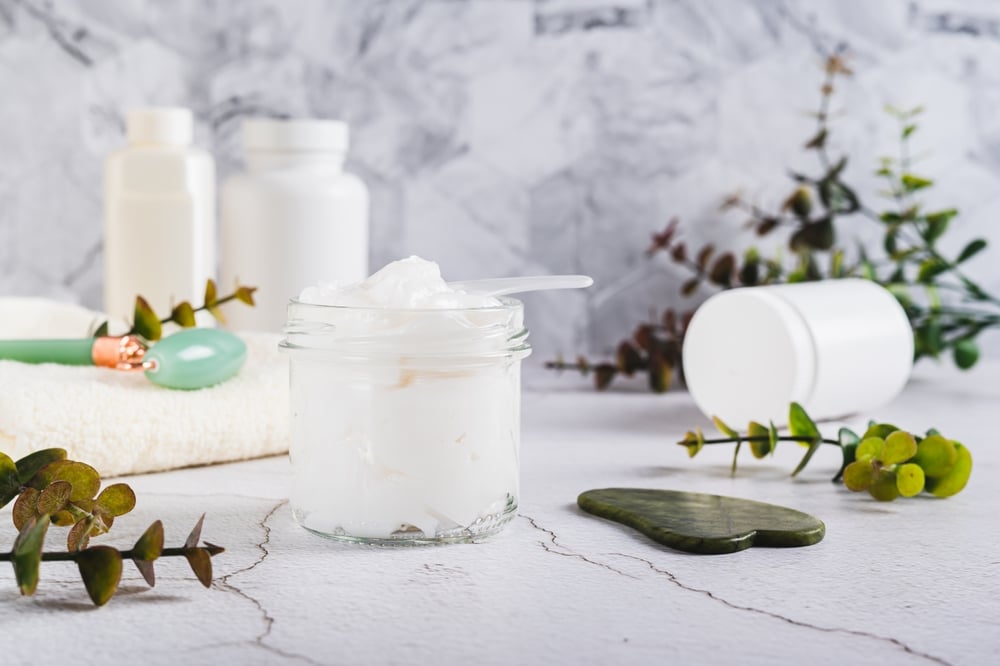
Discovering the restorative power of tallow was a turning point in my natural skincare journey. While I initially loved the convenience of tallow-based lotion bars, I eventually found myself craving a texture that was easier to spread and more luxurious to the touch. This led me to develop a whipped tallow balm—a deeply hydrating, airy moisturizer that has become a staple for my family’s sensitive skin.
There is something incredibly satisfying about using a product that leaves the skin feeling velvety and soft without relying on synthetic chemicals. For mothers, finding a remedy that is safe for children is always a priority. I personally witnessed how tallow helped improve the appearance of my son’s skin after a struggle with eczema. Below, I’ll share the science behind why this traditional ingredient works, how to source it, and the process for making your own customized balm at home.
Why Grass-Fed Tallow is Exceptional for Skin Health
Tallow is distinct from plant-based oils because it is an animal-derived fat—typically from beef or sheep—that has been rendered and filtered. While lard comes from pigs, tallow is the result of processing suet, which is the nutrient-dense “leaf fat” found around the kidneys of the animal. For the best results in skincare, grass-fed beef tallow is the gold standard.
Because its biological makeup is remarkably similar to the sebum produced by human skin, tallow absorbs more effectively than many commercial lotions. It is packed with fat-soluble vitamins and fatty acids that support skin repair. This makes it a versatile tool in any mother’s natural medicine cabinet, useful for everything from soothing dry patches and diaper rash to serving as a potent anti-aging facial moisturizer.
Selecting the Right Ingredients for Your Balm
In its pure state, tallow is quite firm and can be difficult to apply smoothly. To transform it into a user-friendly moisturizer, it helps to blend it with liquid carrier oils. This combination maintains the healing properties of the tallow while creating a consistency that glides over the face and body.
While some people prefer adding shea butter or coconut oil, a simple mixture of extra virgin olive oil and a touch of rosehip seed oil works beautifully. Rosehip seed oil is particularly beneficial for mature skin as it is slightly astringent, helping the balm sink in deeper while providing regenerative properties. Unlike many salves, you don’t need beeswax to achieve the right thickness for this recipe. If you prefer a scented product, essential oils like lavender, frankincense, or chamomile can be added for both their aroma and their skin-soothing benefits.
How to Create a Light and Airy Whipped Texture
The beauty of this recipe is its flexibility. You can leave it as a traditional salve, or you can whip it into a texture similar to a fluffy body butter. Most people prefer the whipped version because it feels lighter on the skin. If you are concerned about the balm feeling too greasy, the secret lies in the whipping process and the choice of carrier oils.
Whipping air into the fats helps break down the density, making it feel less heavy upon application. If you have naturally oily skin, you might consider replacing the olive oil with a lighter option, such as grapeseed oil, to ensure the balm provides hydration without feeling overly occlusive.
Sourcing the Best Beef Fat for Skincare
Finding high-quality tallow is the first step toward a successful DIY project. If you have access to a local regenerative farm or a butcher who specializes in grass-fed beef, you can often purchase suet directly from them. Alternatively, high-quality, pre-rendered tallow is widely available through reputable online health retailers.
When you receive or render your fat, it should ideally be an off-white color. While some rendered tallow carries a faint “beefy” scent, a thorough purification process can remove most of the odor and result in a beautiful, snow-white finish perfect for cosmetic use.
How to Remove the Scent Through Purification
While unpurified tallow is fine for cooking, most people prefer a neutral scent for facial products. Purifying the fat at home is a simple process that ensures your final balm is clean and odorless.
- Place 2 cups of rendered tallow in a slow cooker with 5 cups of water and 3 tablespoons of salt.
- Simmer the mixture on low for approximately one hour.
- Strain the liquid through a fine mesh sieve lined with a clean cloth or coffee filter into a large glass bowl.
- Refrigerate the bowl until the tallow forms a hard disk on top of the water.
- Remove the tallow block, flip it over, and scrape away any dark impurities or “brown bits” from the bottom.
- For the purest results, you can repeat this salt-water simmer a second time.
- Ensure the purified tallow is allowed to air dry completely at room temperature to prevent any trapped moisture from causing mold.
Step-by-Step DIY Whipped Tallow Balm
This silky moisturizer is ideal for combating winter dryness, soothing irritations, and maintaining healthy skin for the whole family.
Homemade Whipped Tallow Balm Recipe
Prep time: 2 minutes | Active time: 10 minutes | Cooling time: 30 minutes | Yield: 6 ounces
- Using a double boiler, melt the purified tallow over low heat until it is completely liquid.
- Stir in the olive oil until well combined.
- Remove the mixture from the heat. If you are using rosehip seed oil or essential oils, add them now.
- For a standard balm, pour the liquid into a glass jar and refrigerate until firm.
Instructions for the Whipped Version
- Pour the liquid mixture into a large mixing bowl and place it in the refrigerator.
- Once the mixture is solid but still slightly soft (not rock hard), remove it from the fridge.
- Use a hand mixer or a stand mixer with a whisk attachment to beat the mixture until it becomes light, airy, and forms soft peaks.
- Spoon the whipped balm into a clean glass jar for storage.
Storage: Keep your balm in a cool, dry place away from direct sunlight. When stored properly at room temperature, it should remain fresh for several months. For use on infants (6 months to 3 years), it is best to omit essential oils or limit them to very small amounts (about 7 drops total for this batch size).
Enhancing Your Balm with Botanical Infusions
To further boost the healing potential of your tallow balm, you can use herb-infused oils in place of plain olive oil. Herbs such as calendula, lavender, and chamomile are world-renowned for their ability to calm inflamed skin. To do this, simply steep dried herbs in your carrier oil for several weeks (or use a low-heat stovetop method) before straining and following the balm recipe as usual.
Frequently Asked Questions About Tallow Skincare
1. How can I adjust the texture if it’s too hard or too soft?
The hardness of tallow can vary by batch. If your finished balm is too firm for your liking, melt it down and add a tablespoon more of your liquid carrier oil. If it is too soft, you can melt it and add a small amount of beeswax or more tallow to increase the stability.
2. Is it safe to use tallow balm as a face moisturizer?
Absolutely. Many people find that tallow is the only moisturizer that doesn’t cause breakouts or irritation. Its compatibility with human sebum makes it an excellent choice for facial use, providing deep hydration without a heavy residue.
3. What should I do if my tallow still has a slight odor?
While the purification process removes most of the scent, a very faint aroma may remain. Using high-quality essential oils can help mask this. If the smell is bothersome, repeat the purification process with salt and water one more time to further clean the fat.
4. Can I substitute other animal fats like lard?
While lard (pig fat) is excellent for cooking, it has a much lower melting point and stays very soft at room temperature, which makes it less ideal for a stable whipped balm. Mutton tallow (from sheep) is a closer substitute for beef tallow and can be used with similar results.
Using traditionally rendered fats for skincare is a beautiful way to return to ancestral wisdom while providing your family with clean, effective nourishment. Whether you are dealing with chronic dry skin or simply want a natural glow, a homemade whipped tallow balm is a rewarding and simple DIY project to add to your routine.