




















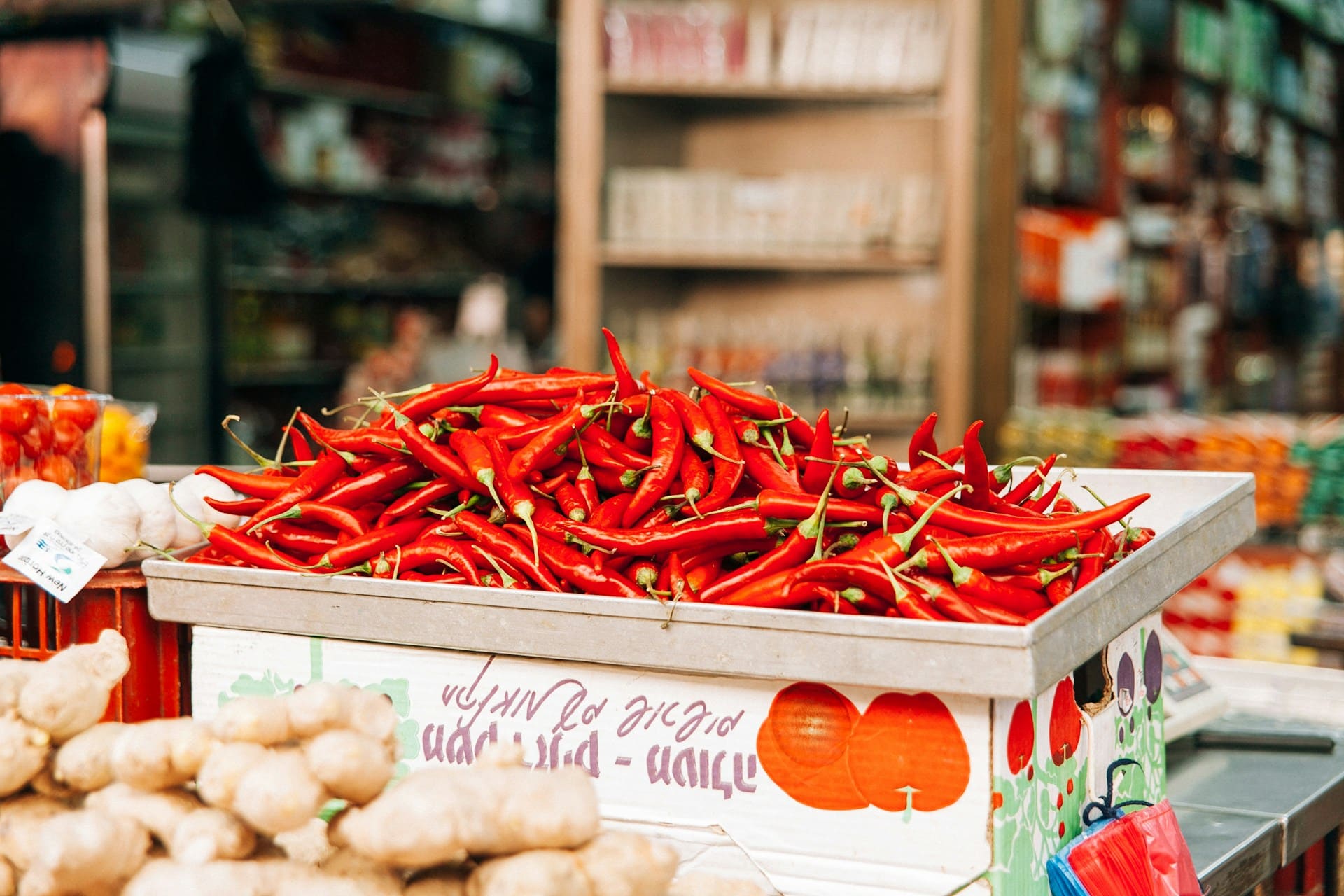
Pregnancy brings numerous changes—physically, emotionally, and nutritionally. While each journey is distinct, many expectant parents are seeking practical ways to support their health during this time. Recent research from the University at Buffalo indicates that incorporating chili into meals might be one of those simple, beneficial choices, potentially linked to a lower risk of gestational diabetes mellitus (GDM).
What to know about gestational diabetes
Gestational diabetes (GDM) refers to a condition impacting the body’s ability to process sugar during pregnancy. It is usually screened for during the second trimester. While GDM is common and often temporary, unmanaged cases can lead to complications such as higher birth weight or premature delivery. Additionally, GDM may increase a birthing parent’s likelihood of developing type 2 diabetes later in life.
Over the past few years, the prevalence of gestational diabetes in the U.S. has risen—from around 6% in 2016 to just above 8% in 2021. This increase has led researchers to investigate how everyday behaviors, particularly diet, might influence prevention.
The chili connection
The study from the University at Buffalo, published in Nutrients, examined data from 1,397 pregnant women nationwide. Researchers assessed how often participants consumed certain bean-based foods—such as dried beans, bean soup, and chili—and the correlation with their likelihood of developing GDM.
What did the research highlight? Chili.
Findings revealed that individuals who consumed chili approximately once a month had a notably lower incidence of gestational diabetes—3.5% compared to 7.4% among those who never ate chili. Interestingly, more frequent chili consumption did not demonstrate the same advantages. Researchers speculate this might relate to variations in chili preparation, particularly since some recipes are rich in red meat, which has been associated with an increased risk of GDM.
Why chili might help
The study did not identify a single ingredient responsible for the potential benefits, but it offers several scientifically grounded theories:
- Capsaicin, the component responsible for chili’s heat, may enhance how the body manages sugar. While more studies are necessary—especially involving pregnant individuals—some research indicates that capsaicin may aid in better blood glucose regulation, although evidence specific to pregnancy is still emerging.
- Beans, commonly used in chili, are abundant in resistant starch and phenolic compounds, both of which have been linked to better glycemic control, possibly by slowing glucose absorption and increasing insulin sensitivity. Darker beans such as black and red varieties are particularly rich in these beneficial plant compounds.
- The fiber found in beans and vegetables present in chili can also aid in stabilizing blood sugar and promoting gut health—both critical during pregnancy.
Making chili pregnancy-friendly
If you’re interested in adding chili to your meals, consider these tips for making it work for you:
- Start mild: If spicy foods aren’t appealing, choose chili recipes that offer a gentle flavor, or reduce the amount of hot peppers while incorporating warming spices like cumin or paprika.
- Balance it out: Experiment with bean-first or veggie-heavy versions that limit red meat and saturated fat.
- Batch cook: Chili is a convenient one-pot meal that stores well—ideal for days when cooking feels daunting.
Incorporating chili into your pregnancy diet once a month could not only enhance flavor but also provide potential health advantages—especially when crafted with nutritious ingredients.
While these findings are encouraging, they arise from observational studies. Further research is necessary to establish a clear causal relationship between chili consumption and a reduced risk of GDM.
As always, if you’re pregnant and considering changes to your diet, consulting your healthcare provider is advisable. They can guide you in making choices that are safe and supportive for both you and your baby.
Image Source: Unsplash