


















Exploring Old Wives’ Tales for Baby Gender Prediction
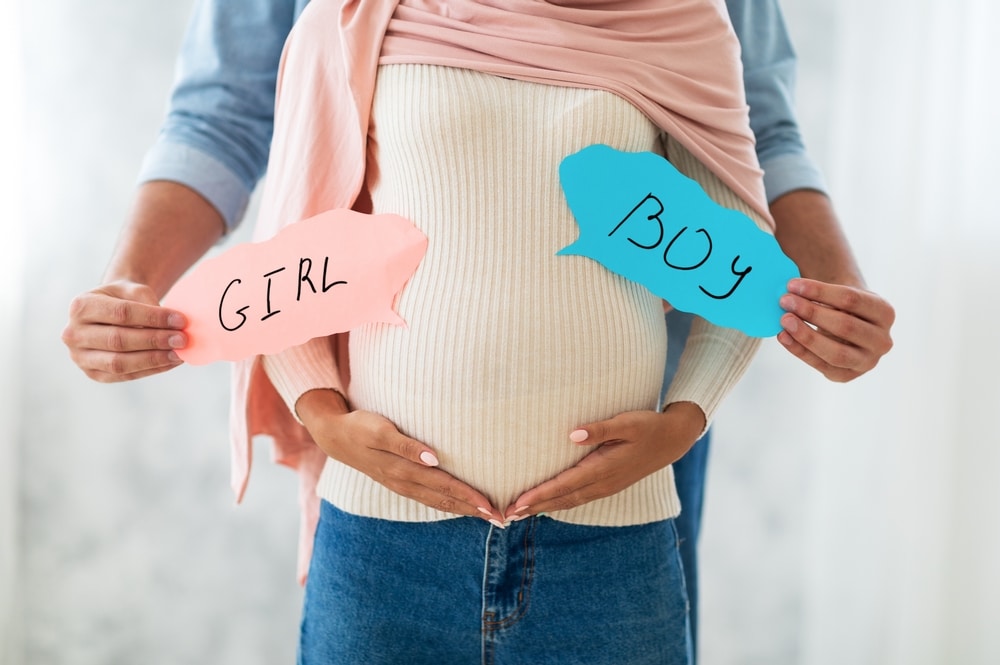
Old wives’ tales for predicting a baby’s gender are popular and often add a playful element to pregnancy. However, most of these tales lack scientific validation. While many pregnancy signs have been debunked by research, these myths can still be an entertaining way to speculate about your baby’s sex while awaiting official confirmation. This article delves into several well-known old wives’ tales for gender prediction and summarizes what current research says about them.
Understanding Gender vs. Sex
It’s essential to clarify that while the terms “gender” and “sex” are often used interchangeably, they have distinct meanings. Sex is assigned at birth based on physical characteristics like genitalia and chromosomes, while gender is a personal identity that exists on a spectrum. For many people, their gender identity aligns with the sex they were assigned at birth (cisgender); however, this is not true for everyone, including transgender, intersex, and nonbinary individuals.
Old Wives’ Tales Based on Symptoms
Many of the old wives’ tales for predicting a baby’s gender are linked to common pregnancy symptoms, from morning sickness to physical changes.
Severity of Morning Sickness
One commonly cited belief is that experiencing severe morning sickness suggests you are having a girl. A notable study published in 2021 involving over 4,300 pregnancies indicated that individuals carrying female fetuses reported significantly higher instances of nausea during the first trimester compared to those expecting male babies. This trend intensified in those carrying twin girls.
Soft or Dry Hands
According to another myth, dry hands during pregnancy indicate a boy, while soft hands suggest a girl. This belief might stem from the idea that hormonal changes affect skin moisture.
Food Cravings
Some tales suggest that cravings can hint at your baby’s gender. For instance, cravings for salty snacks like chips are rumored to indicate a boy, while a sweet tooth for treats like ice cream and chocolate supposedly points to a girl. Nonetheless, cravings can vary greatly among individuals.
Acne
Pregnancy hormones can cause skin changes, leading to acne, which some believe signifies you’re expecting a girl. However, hormonal fluctuations are generally responsible and aren’t specifically tied to the baby’s sex.
Gracefulness vs. Clumsiness
It’s said that if you feel particularly graceful, you’re having a girl; feeling clumsier? It may be a boy. Such perceptions are often subjective and could be influenced by fatigue and other factors.
Facial Weight Gain
An old belief states that gaining weight in your face could indicate a girl. However, weight distribution during pregnancy is highly individual and is affected by numerous factors beyond fetal sex.
Mood Changes
Mood swings are common during pregnancy, and some myths suggest that if you experience extreme emotional fluctuations, you’re having a girl. Yet, these mood changes are typically due to hormonal shifts and stress.
Bump Position and Shape
The way you carry your bump is also subject to old wives’ tales. A low bump may suggest a boy, while a high bump could indicate a girl. Observational studies have shown connections between pregnancy morphology and fetal sex, although these are not definitive.
Fetal Heart Rate
Another myth claims that a fetal heart rate above 150 beats per minute points to a girl, while a slower heartbeat suggests a boy. The normal heart rate actually varies widely, generally falling between 120 and 160 bpm, so this “test” lacks reliability.
Pregnancy Dreams
Interestingly, some believe that if you dream of having a girl, you might end up with a boy and vice versa. This is purely anecdotal and varies from person to person.
Breast Size Variations
A curious belief involves the relative sizes of your breasts: a larger right breast allegedly indicates a girl, while a predominant left breast suggests a boy. This claim lacks scientific backing and is often considered a myth.
Amusing Old Wives’ Tale Tests for Gender Prediction
Beyond physical symptoms, several playful “tests” exist for gender prediction according to old wives’ tales.
Sleep Position Test
Some say that sleeping on your left side indicates a boy, while favoring your right side points to a girl.
Pendulum Test
An unusual prediction method involves dangling a pendulum over your belly; back-and-forth motion supposedly means a boy, while circular motion suggests a girl.
Hand Display Test
Holding out your hand, if your palms are up, you may be expecting a girl; palms down point to a boy.
Toddler Interest Test
This fun idea involves observing a young boy’s interest in your belly. If he seems curious, it’s thought that you are having a girl; indifference suggests a boy.
Garlic Test
There’s a quirky belief that if consuming garlic makes your body odor garlic-like, you’re likely having a boy. A lack of odor suggests a girl.
Key Test
According to this myth, if you pick up a key by the round end, it’s a boy, but if you pick it by the long end, it leans toward a girl.
Number Test
This maths-based tale suggests that if both your age and conception year are even or odd, a girl is on the way; otherwise, expect a boy.
Stress Test
Another belief states that the sex of the child aligns with the less stressed parent at the time of conception; however, this is highly speculative and not applicable to all family structures.
Evaluating the Accuracy of Old Wives’ Tales
While it can be enjoyable to engage in gender prediction using these old wives’ tales, most do not hold up against scientific scrutiny. For those keen on discovering their baby’s sex, ultrasound and noninvasive prenatal testing (NIPT) are the most reliable methods. Nonetheless, both methods may not guarantee complete accuracy.
When Can You Confirm Your Baby’s Sex?
Noninvasive prenatal testing (NIPT) generally provides the earliest confirmation of a baby’s sex, typically after 10 weeks of pregnancy. The first reliable indication usually comes around the 20th week when routine ultrasounds are performed. Regardless of how you approach learning your baby’s assigned sex, it’s crucial to remember that gender is deeply personal and may not align with the sex assigned at birth. Therefore, it’s best not to overly attach expectations to predictions.